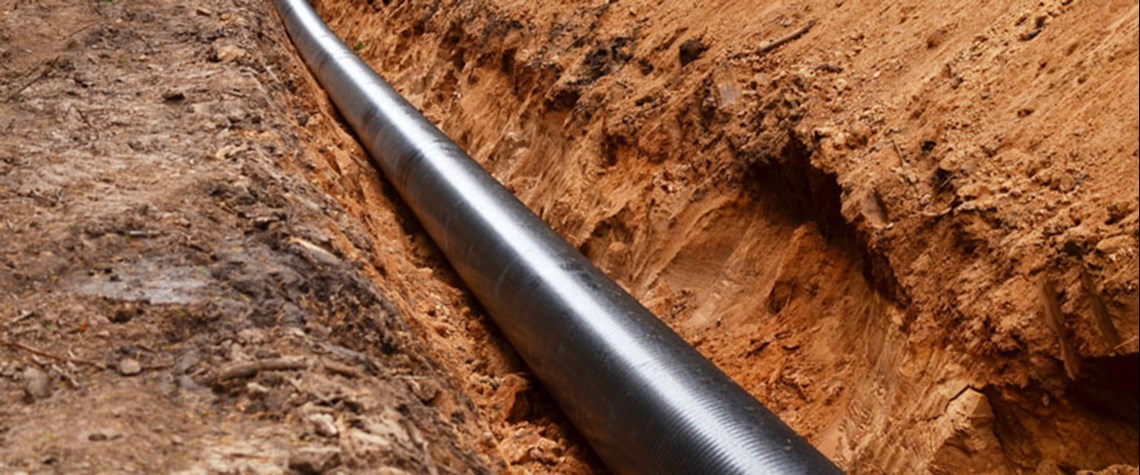
DNV establishes guidelines for CCUS pipelines
Standards will help with the construction of new infrastructure and repurposing of old pipelines
International standards body DNV has released new guidelines outlining the required safety level for pipelines transporting CO2 for carbon capture, utilisation and storage (CCUS) projects. The body has published a recommendation practice based on the results from the CO2SafeArrest project, which tested two sections of pipeline at DNV’s Spadeadam research facility in the UK to understand how CO2 might leak from them. The new guidance is designed to support governments and industry in the construction of new infrastructure, Hari Vamadevan, regional director with DNV, tells Transition Economist. 5.6bn t/yr — Amount of CO2 to be stored by 2050 “It also supports the fact that the repurpos

Also in this section
1 April 2026
Emerging industry must work with policymakers to convince a broader pool of investors to buy into its long-term potential
12 March 2026
Role of world’s largest carbon cap-and-trade market under scrutiny as war in Iran threatens to drive EU energy costs to unsustainable levels
10 March 2026
Europe urgently needs to bring more projects to FID, as CCS investors warn they might divert capital to faster-growing regions
9 January 2026
A shift in perspective is needed on the carbon challenge, the success of which will determine the speed and extent of emissions cuts and how industries adapt to the new environment