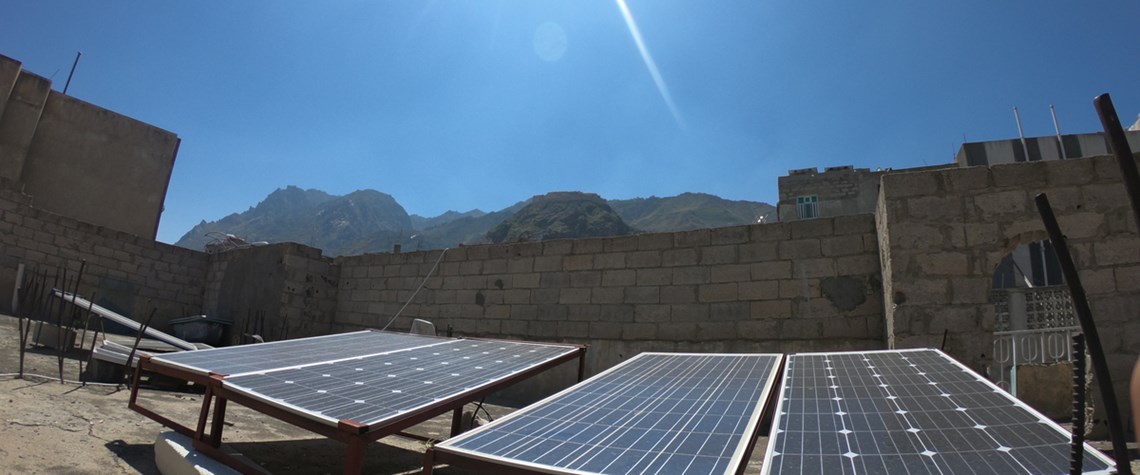
Yemen turns to solar in adversity
As its oil sector remains effectively paralysed by conflict, Yemenis are exploiting renewables out of necessity
Yemen has become the tragic poster child of proxy conflict in the Middle East as its civil war rumbles into a sixth year. With the conflict having brought about one of the world’s most desperate humanitarian crises, and considering that it has sizeable proven hydrocarbon reserves, Yemen is not somewhere you would expect to find a significant shift towards renewable energy. But with just 40pc pre-war electricity connectivity, and oil and gas production decimated in the fighting, Yemenis have had little choice but to turn to solar PV. The conflict saw oil production drop from around 150,000bl/d in 2014 to 42,000bl/d in 2015 and to just 18-20,000bl/d 12 months later, according to Yemeni data. F

Also in this section
1 April 2026
Emerging industry must work with policymakers to convince a broader pool of investors to buy into its long-term potential
12 March 2026
Role of world’s largest carbon cap-and-trade market under scrutiny as war in Iran threatens to drive EU energy costs to unsustainable levels
10 March 2026
Europe urgently needs to bring more projects to FID, as CCS investors warn they might divert capital to faster-growing regions
9 January 2026
A shift in perspective is needed on the carbon challenge, the success of which will determine the speed and extent of emissions cuts and how industries adapt to the new environment