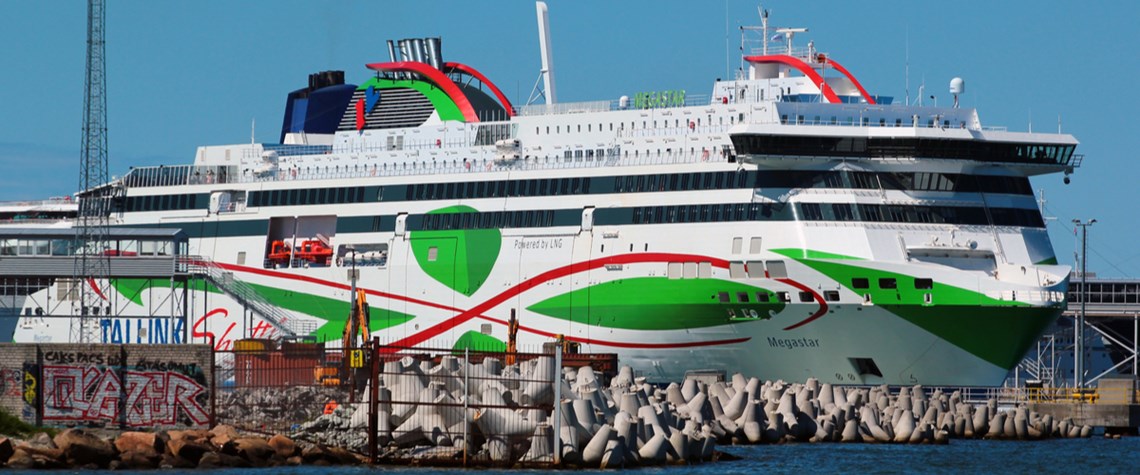
LNG to fuel shipping, perhaps to a hydrogen future
Small-scale LNG appears set to take a leading role in the decarbonisation of shipping. But to achieve the IMO’s 2050 target, the industry may well need to turn to hydrogen
The International Maritime Organization (IMO) has set ambitious targets for decarbonisation that will tighten over the next three decades: from a reduction of at least 40pc by 2030 to 70pc by 2050. LNG is increasingly seen as a solution in the near term, with substantial decarbonisation benefits and the most developed supply globally of any alternative to bunker fuel. But to hit the 70pc target, it is hard to imagine a solution that does not involve hydrogen. To discuss the matter, Petroleum Economist caught up with three experts from PwC's Strategy&: Giorgio Biscardini, partner; Rafael Schmill, associate partner; and Adrian Del Maestro, director. The three experts recently launched a re

Also in this section
1 April 2026
Multiple projects have been scrapped and valuations have nosedived, but the IEA says hydrogen is no passing fad
25 March 2026
The Middle East energy shock has highlighted the value of France’s unique potential to deploy nuclear-powered electrolysers
18 March 2026
The second fossil-fuel price shock in four years can be a much-needed catalyst for investment in the sector
9 March 2026
Hydrogen has not stalled in the UK because the technology does not work. The problem is that the system around it does not yet move at the speed required