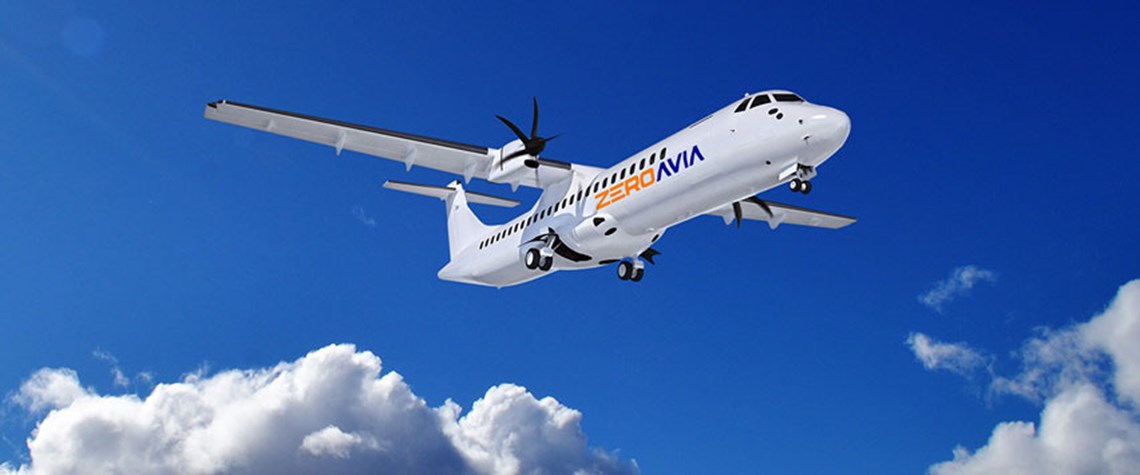
Artist’s impression of 50+ seat commercial hydrogen aircraft
British Airways invests in hydrogen aircraft specialist
Hydrogen-electric aircraft may be a viable zero-emissions solution for short-to-medium range routes
British Airways today joined a group of investors funding hydrogen-electric fuel cell aircraft company ZeroAvia, in line with its net-zero carbon emissions by 2050 pledge. The zero-emission aviation firm is part of in industry trend to explore the potential role of hydrogen in one of the hardest-to-abate sectors. The global aviation industry is a big emitter of carbon and will face much higher costs at some point in the next decade—despite the International Civil Aviation Organisation (ICAO) watering down the rules of its carbon offset market in the wake of the collapse in air travel due to Covid-19. “We support the development of hydrogen as an alternative fuel source because we belie

Also in this section
1 April 2026
Multiple projects have been scrapped and valuations have nosedived, but the IEA says hydrogen is no passing fad
25 March 2026
The Middle East energy shock has highlighted the value of France’s unique potential to deploy nuclear-powered electrolysers
18 March 2026
The second fossil-fuel price shock in four years can be a much-needed catalyst for investment in the sector
9 March 2026
Hydrogen has not stalled in the UK because the technology does not work. The problem is that the system around it does not yet move at the speed required