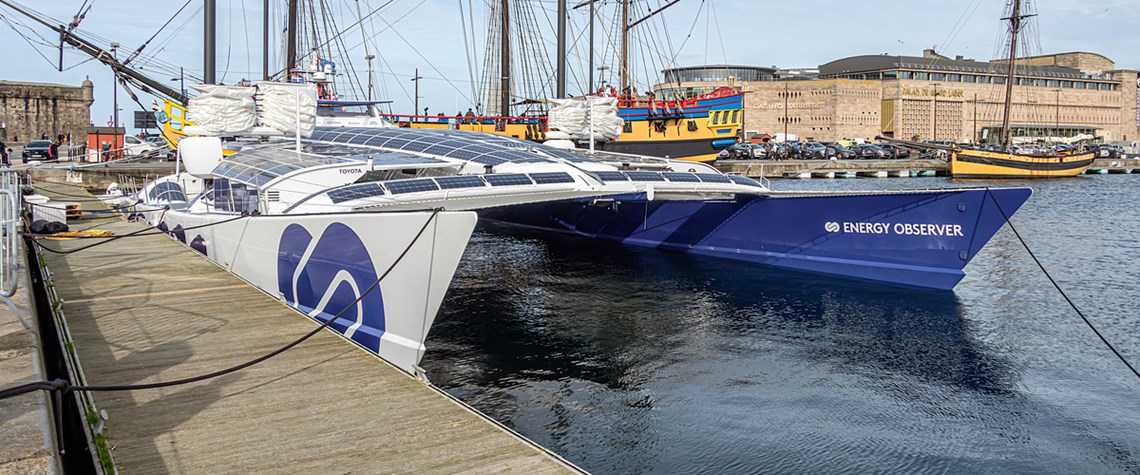
Hydrogen-powered ships remain at an experimental stage
Could hydrogen become a viable marine fuel?
The prospect of zero-carbon hydrogen-powered vessels is highly attractive, if cost and infrastructure concerns can be overcome
Hydrogen is one of the zero-carbon fuels being considered for use in marine applications of the future. The other zero-carbon fuel is ammonia, and the production pathway of the two are directly linked. Hydrogen can be produced from a variety of sources, utilising conventional or renewable energy, which determine the cost of the fuel to the end-user as well as its lifecycle carbon footprint. Hydrogen can be extracted from fossil fuels and biomass, from water, or from a combination of the two. The total energy used worldwide hydrogen production in 2019 was about 275mn t oe, which corresponds to 2pc of total energy demand, according to the IEA. Reducing the cost of green hydrogen to $2/kg

Also in this section
1 April 2026
Multiple projects have been scrapped and valuations have nosedived, but the IEA says hydrogen is no passing fad
25 March 2026
The Middle East energy shock has highlighted the value of France’s unique potential to deploy nuclear-powered electrolysers
18 March 2026
The second fossil-fuel price shock in four years can be a much-needed catalyst for investment in the sector
9 March 2026
Hydrogen has not stalled in the UK because the technology does not work. The problem is that the system around it does not yet move at the speed required