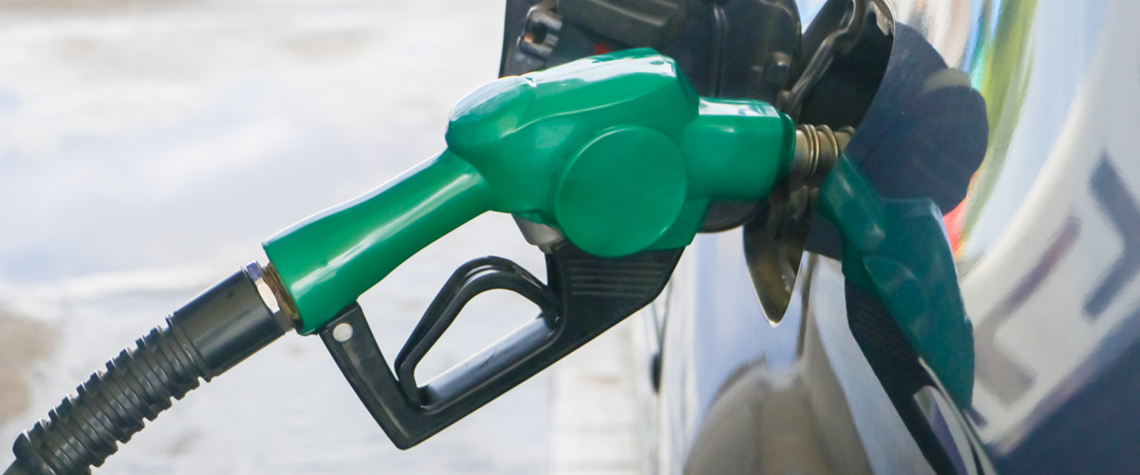
Efuels are produced from CO₂ and green hydrogen
Efuels ‘need policy support’
Tax regimes in some countries means low-carbon efuels are treated as fossil fuels, Tokyo conference hears
Hydrogen-based synthetic fuels need more policy support in Europe to drive wider development as they have been overshadowed by the move towards electrification, delegates heard at an energy and climate tech conference in Tokyo. Hydrogen-based synthetic fuels are low-carbon or carbon-neutral alternatives to traditional petroleum-based fuels that are produced from CO₂ and green hydrogen. Also known as electrofuels, or efuels, they can be used as direct substitutes in existing fossil fuel infrastructure and internal combustion engines. They are targeted to supply 5.7pc of Europe’s transport sector by 2030 under the European Commission’s Renewable Energy Directive. Efuels have struggled to build

Also in this section
1 April 2026
Multiple projects have been scrapped and valuations have nosedived, but the IEA says hydrogen is no passing fad
25 March 2026
The Middle East energy shock has highlighted the value of France’s unique potential to deploy nuclear-powered electrolysers
18 March 2026
The second fossil-fuel price shock in four years can be a much-needed catalyst for investment in the sector
9 March 2026
Hydrogen has not stalled in the UK because the technology does not work. The problem is that the system around it does not yet move at the speed required