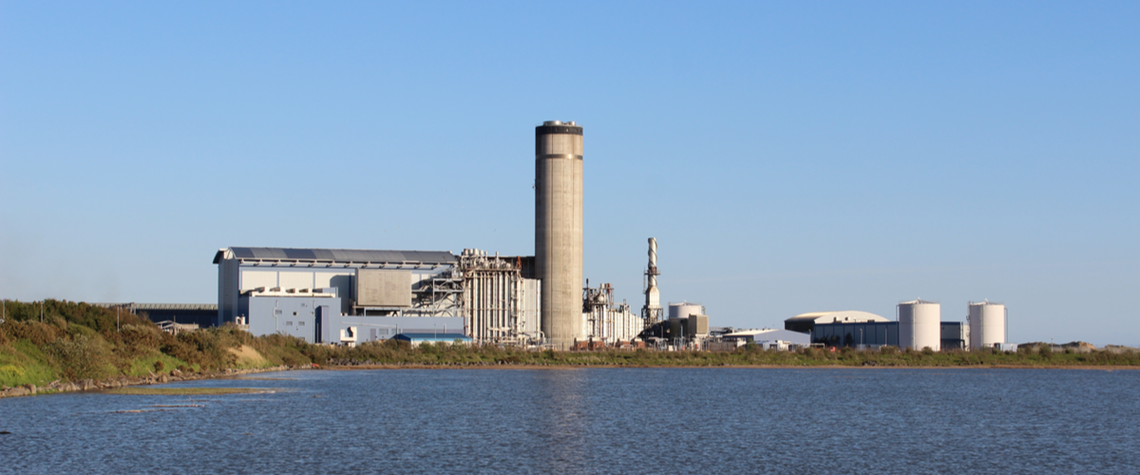
Replacing gas-fired peaking plants with hydrogen-fired plants by 2035 could cost £21bn
Hydrogen best option for UK power flexibility – Aurora
Hydrogen-fired peaking power plants cheaper than storage and abated gas-fired plants in 2035, research company says
Hydrogen-fired power plants could be a cheaper way to provide low-carbon flexibility for the UK than using either short-duration energy storage or new gas-fired peaking plants fitted with carbon capture and storage (CCS) technology, according to modelling by consultancy Aurora Energy Research. Replacing gas-fired peaking plants, the current source of flexibility on the system, with hydrogen-fired facilities could save up to £90bn ($103bn) of capex compared with relying on short-duration storage, as the UK looks to meet a government target of decarbonising the electricity system by 2035, Aurora says. It puts the cost of replacing gas-fired peaking plants with hydrogen-fired plants by 2035 at

Also in this section
1 April 2026
Multiple projects have been scrapped and valuations have nosedived, but the IEA says hydrogen is no passing fad
25 March 2026
The Middle East energy shock has highlighted the value of France’s unique potential to deploy nuclear-powered electrolysers
18 March 2026
The second fossil-fuel price shock in four years can be a much-needed catalyst for investment in the sector
9 March 2026
Hydrogen has not stalled in the UK because the technology does not work. The problem is that the system around it does not yet move at the speed required