Salzgitter aims to reduce scope one emissions by 95pc through Salcos programme
Salzgitter secures €1bn in government finance for green steel
The first stage of its Salcos decarbonisation programme is due to start operations by end-2025
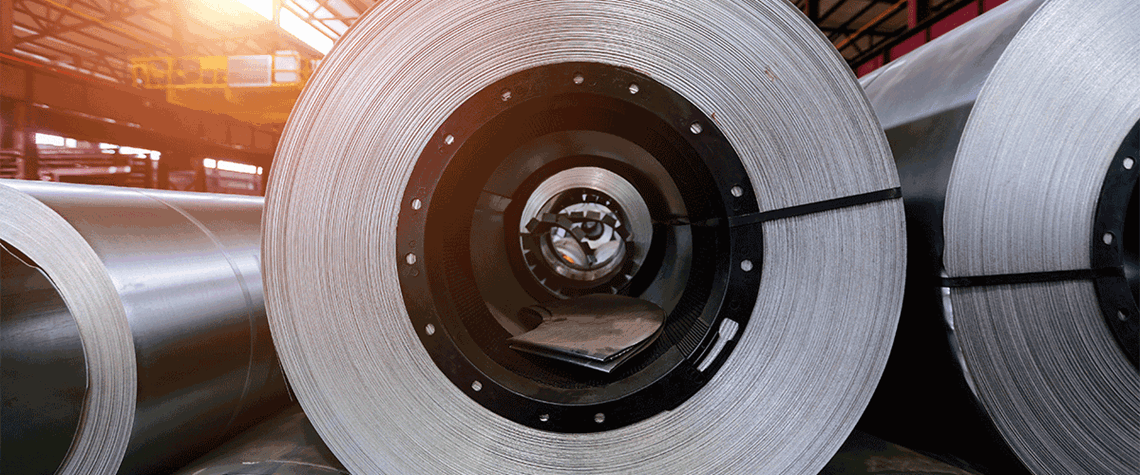
German steelmaker Salzgitter has secured €1bn ($1.09bn) in federal and state government subsidies for its ‘Salcos’ decarbonisation programme, which aims to switch its site in Lower Saxony entirely to low-carbon processes by 2033 over three stages. The first stage, capable of producing 1.9mn t/yr of crude steel, will involve the installation of two direct reduction plants using green hydrogen and three electric arc furnaces to replace blast furnaces and converters. The first stage is expected to begin operations by the end of 2025. Salzgitter aims to reduce its scope one and two emissions from 2018 levels by more than 30pc by 2025 and 50pc by 2030, as well as reaching net zero by 2050. The st

Also in this section
1 April 2026
Multiple projects have been scrapped and valuations have nosedived, but the IEA says hydrogen is no passing fad
25 March 2026
The Middle East energy shock has highlighted the value of France’s unique potential to deploy nuclear-powered electrolysers
18 March 2026
The second fossil-fuel price shock in four years can be a much-needed catalyst for investment in the sector
9 March 2026
Hydrogen has not stalled in the UK because the technology does not work. The problem is that the system around it does not yet move at the speed required