Newsletters | Request Trial | Log in | Advertise | Digital Issue   |   Search
  • Green hydrogen
  • Blue hydrogen
  • Storage & Transportation
  • Consumption
  • Strategies & Trends
  • Finance
  • Women in Hydrogen 50
  • Podcasts
Search
David Whitehouse
27 May 2020
Follow @PetroleumEcon
Forward article link
Share PDF with colleagues

Japan needs scale to make hydrogen imports viable

The lack of capacity to generate renewable energy in the densely populated island nation means it will need to rely on imports to fulfil its multi-decade hydrogen strategy

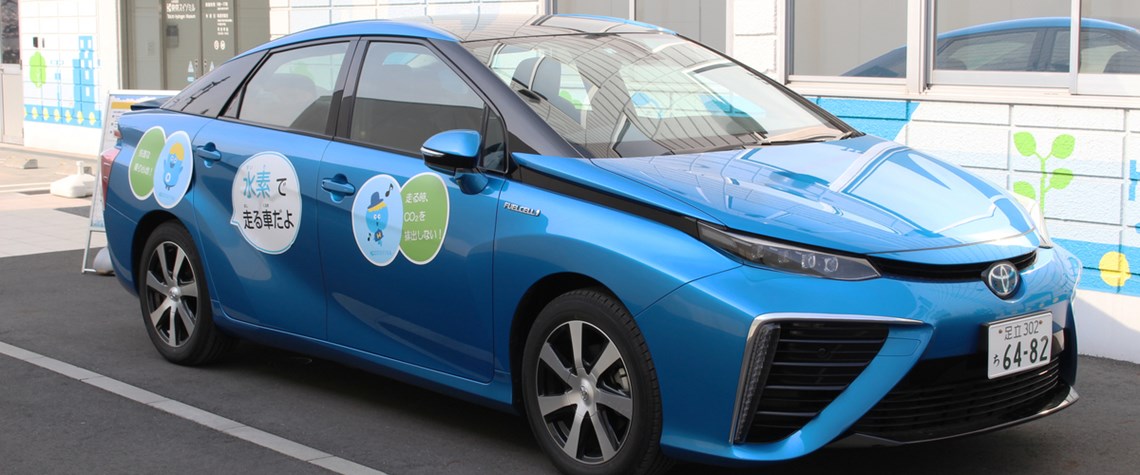
The postponement of the Olympic Games, where Japan planned to make fuel-cell vehicles the official means of transport, has done nothing to reduce the country’s need for scale in its budding hydrogen economy.  Hydrogen is “very much on the strategic agenda”, says Tim Buckley at thinktank the Institute for Energy Economics & Financial Analysis in Sydney. The postponement of the Olympics, he says, gives Japan an extra year to make its hydrogen economy “more credible, rather than a show pony”. According to the International Energy Agency (IEA), lack of hydrogen infrastructure is a barrier to adoption that governments and industry globally must work together to overcome. “There has been a sea

Also in this section
Letter from London: BP’s East Coast demand warning
2 December 2025
Oil major cites deteriorating demand and a planning debacle as it abandons one of UK’s largest blue hydrogen projects
EWE breaks ground on major green hydrogen project
1 December 2025
Project at Emden in northwest Germany due online in 2027, but wider ramp-up of clean hydrogen sector in Germany will require overhaul of government policy, company warns
Letter on hydrogen: The Mauritania model
25 November 2025
The northwest African country’s vision of integrating green power, molecules and steel is alive and kicking, and serves as a reminder of hydrogen’s transformative potential
Letter on hydrogen: Leading the way to demand
19 November 2025
The creation of ‘lead markets’ to generate hydrogen demand in the EU has potential, but implementation would pose complex challenges for producers and industrial offtakers

Share PDF with colleagues

COPYRIGHT NOTICE: PDF sharing is permitted internally for Petroleum Economist Gold Members only. Usage of this PDF is restricted by <%= If(IsLoggedIn, User.CompanyName, "")%>’s agreement with Petroleum Economist – exceeding the terms of your licence by forwarding outside of the company or placing on any external network is considered a breach of copyright. Such instances are punishable by fines of up to US$1,500 per infringement
Send

Forward article Link

Send
Sign Up For Our Newsletter
Project Data
Maps
Podcasts
Social Links
Featured Video
Home
  • About us
  • Subscribe
  • Reaching your audience
  • PE Store
  • Terms and conditions
  • Contact us
  • Privacy statement
  • Cookies
  • Sitemap
All material subject to strictly enforced copyright laws © 2025 The Petroleum Economist Ltd
Cookie Settings
;

Search