Rush to green hydrogen may be counterproductive – BP
An equal amount of blue hydrogen would be preferable to diverting excessive amounts of renewable energy from grids while fossil fuels remain in the energy generation mix
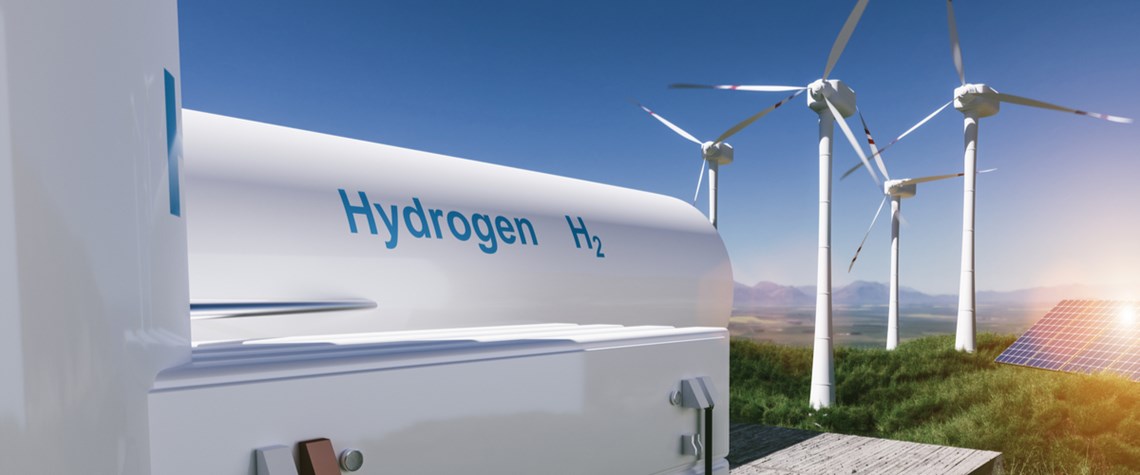
The lowest level of overall emissions in 2050 would be achieved by using roughly equal amounts of natural gas-based blue hydrogen and renewable energy-based green hydrogen, according to the BP Energy Outlook, launched today. The annual report—now expanded to 2050 in light of the UK major’s 2050 net-zero commitment—examined three scenarios. Hydrogen usage increases significantly in the latter half of this period in its ‘rapid’ and ‘net-zero’ scenarios, although not in ‘business as usual’. By 2050, hydrogen accounts around 6pc of total final energy consumption in the rapid scenario and over 15pc in net-zero. Over 15pc – Hydrogen’s share of energy mix in 2050 net-zero scenario The produ

Also in this section
1 April 2026
Multiple projects have been scrapped and valuations have nosedived, but the IEA says hydrogen is no passing fad
25 March 2026
The Middle East energy shock has highlighted the value of France’s unique potential to deploy nuclear-powered electrolysers
18 March 2026
The second fossil-fuel price shock in four years can be a much-needed catalyst for investment in the sector
9 March 2026
Hydrogen has not stalled in the UK because the technology does not work. The problem is that the system around it does not yet move at the speed required