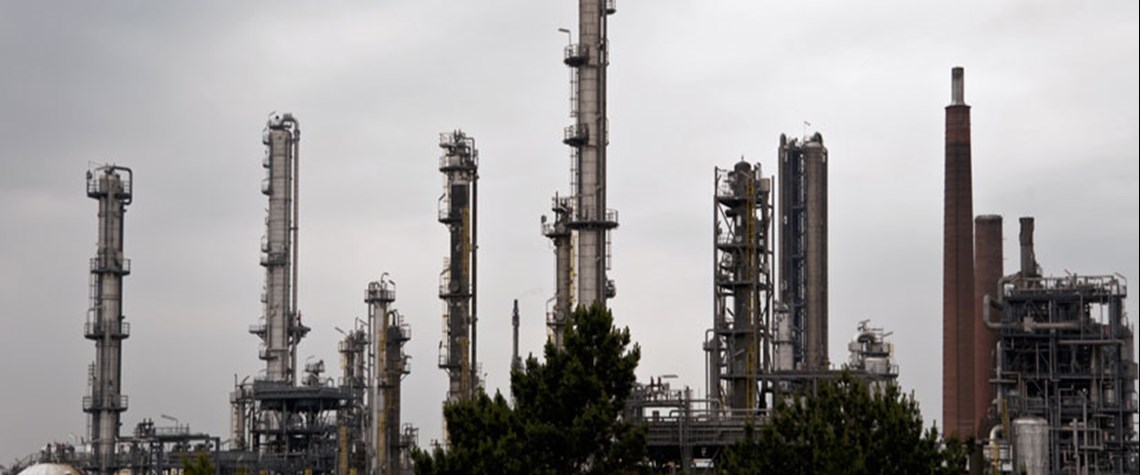
Raffinerie Heide is set to become a ‘green refinery’

Big Oil’s climate flight
Hydrogen is key to strategy to decarbonise, with the development of ‘green’ refineries showing how it can be done
From increasing shareholder activism to shifting political tides, Big Oil has reached a tipping point in its fight against climate change. But the industry can remain resilient in the face of such strong headwinds while playing an active role in the global energy transition. In May 2021, the IEA warned that there can be no new investments in oil and gas if the world is to reach net zero by 2050. One week later, three of the world’s largest oil and gas companies—Shell, ExxonMobil and Chevron—were dealt crushing blows as boardrooms and courtrooms alike mandated they set more aggressive emission reduction targets. Praised by climate activists as a much-needed wake-up call for the industry, thes

Also in this section
25 March 2026
The Middle East energy shock has highlighted the value of France’s unique potential to deploy nuclear-powered electrolysers
18 March 2026
The second fossil-fuel price shock in four years can be a much-needed catalyst for investment in the sector
9 March 2026
Hydrogen has not stalled in the UK because the technology does not work. The problem is that the system around it does not yet move at the speed required
4 March 2026
Turmoil in Middle East reminds nascent clean hydrogen sector that its future prospects are dependent on global energy markets and geopolitics