Green hydrogen on the horizon
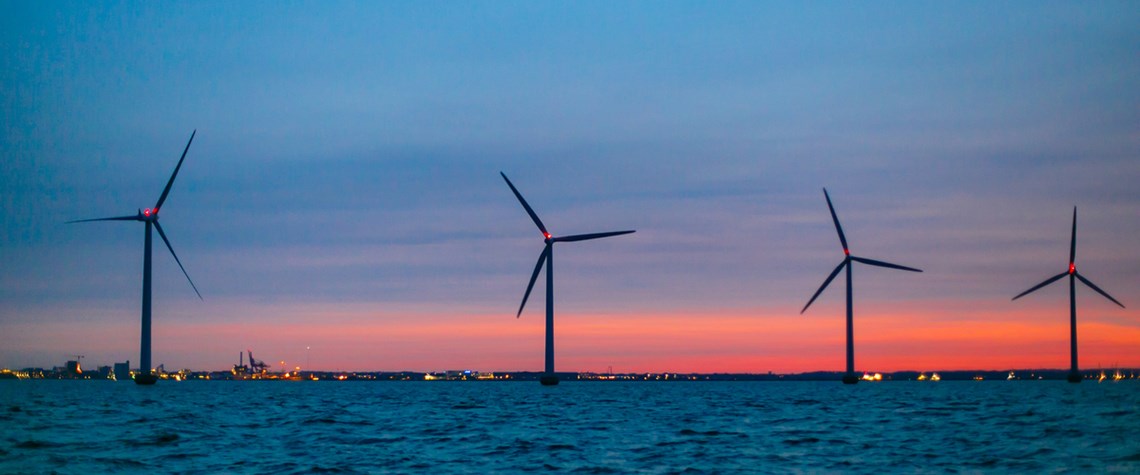
The most efficient way to produce green hydrogen may be to integrate electrolysers and wind turbines at offshore locations
Hydrogen is undergoing an incredible change. It has joined the fight to decarbonise traditional industries while ensuring that its own future production is also carbon-free. Hydrogen production of 70mn t/yr is mainly used as feedstock for fertilisers and refining, with less than 5pc of this supply considered free of carbon emissions. Green hydrogen could decarbonise these existing uses—and by doing so reduce global carbon emissions by 2.5pc. 300GW - EU target for offshore wind generation by 2050 But green hydrogen could also help with some hard-to-abate activities: transportation, industrial energy, heating buildings, power generation and steel production (through direct reduction of

Also in this section
1 April 2026
Multiple projects have been scrapped and valuations have nosedived, but the IEA says hydrogen is no passing fad
25 March 2026
The Middle East energy shock has highlighted the value of France’s unique potential to deploy nuclear-powered electrolysers
18 March 2026
The second fossil-fuel price shock in four years can be a much-needed catalyst for investment in the sector
9 March 2026
Hydrogen has not stalled in the UK because the technology does not work. The problem is that the system around it does not yet move at the speed required