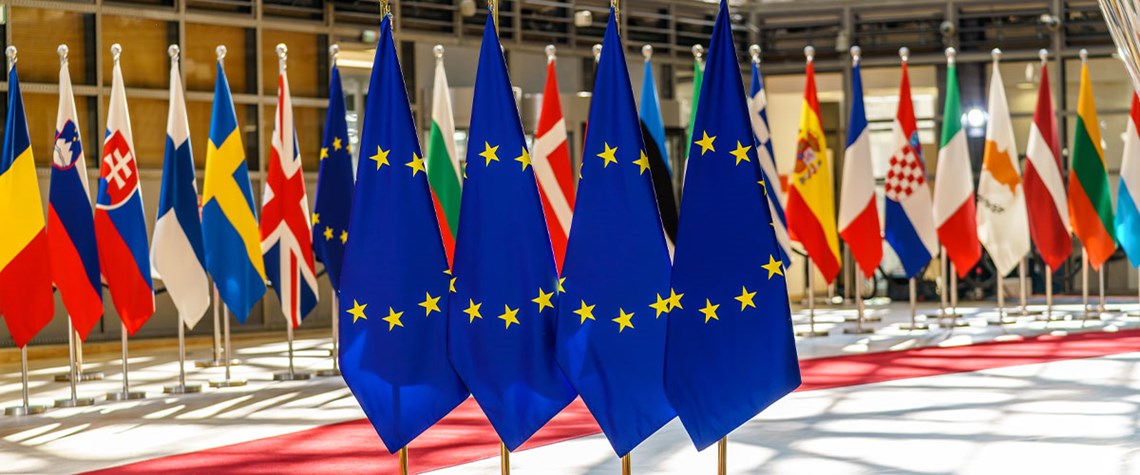
European Commission amendments allowed the EU Council to agree the deal
EU nations reach deal on renewables target
Agreement comes after the European Commission allows nuclear power to contribute to-wards target
EU nations have reached a final agreement on the 42.5pc share of renewable energy in final energy consumption by 2030, replacing the bloc's 32pc target for that date. The agreement came after the European Commission acknowledged that nuclear power can be used towards the goal. This had been a key obstacle in negotiations for nations such as France that rely heavily on nuclear. “I welcome this ambitious European agreement obtained on the Renewable Energy Directive [Red],” says French minister for the energy transition Agnes Pannier-Runacher. “Europe now recognises the role of nuclear alongside renewables in achieving our decarbonisation goals.” Ammonia exemption The agreement—which updates th

Also in this section
1 April 2026
Multiple projects have been scrapped and valuations have nosedived, but the IEA says hydrogen is no passing fad
25 March 2026
The Middle East energy shock has highlighted the value of France’s unique potential to deploy nuclear-powered electrolysers
18 March 2026
The second fossil-fuel price shock in four years can be a much-needed catalyst for investment in the sector
9 March 2026
Hydrogen has not stalled in the UK because the technology does not work. The problem is that the system around it does not yet move at the speed required