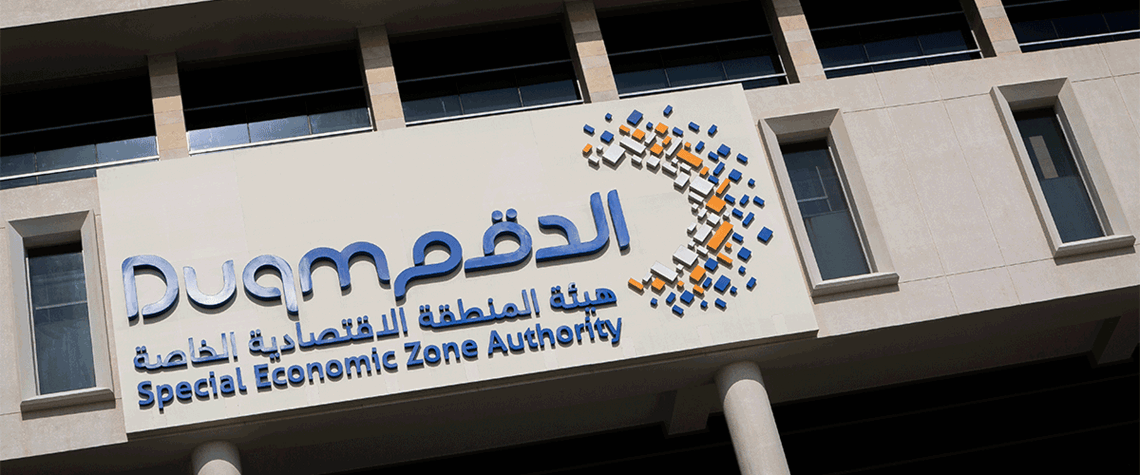
The Duqm area is a prime location for hydrogen projects
Oman can be top Middle East hydrogen exporter, IEA says
Meeting 2030 production target requires $33bn of investment and a massive buildout of renewables, the IEA says in gushing report on the Gulf state’s hydrogen potential
Oman is on track to become the Middle East’s leading hydrogen exporter—and the sixth-largest exporter in the world—by 2030, as its high-quality renewable energy resources and vast tracts of available mean it has the potential for large-volume production, the IEA says. The country aims to produce at least 1mn t/yr of renewable hydrogen by 2030, a target that the IEA estimates would require cumulative investment of about $33bn. Electrolysis on this scale would need around 50TWh of electricity—greater than can be supplied by Oman’s entire electricity system. Further production targets include up to 3.75mn t/yr by 2040 and up to 8.5mn t/yr by 2050, which would be greater than Europe’s current to

Also in this section
1 April 2026
Multiple projects have been scrapped and valuations have nosedived, but the IEA says hydrogen is no passing fad
25 March 2026
The Middle East energy shock has highlighted the value of France’s unique potential to deploy nuclear-powered electrolysers
18 March 2026
The second fossil-fuel price shock in four years can be a much-needed catalyst for investment in the sector
9 March 2026
Hydrogen has not stalled in the UK because the technology does not work. The problem is that the system around it does not yet move at the speed required