Newsletters | Request Trial | Log in | Advertise | Digital Issue   |   Search
  • Green hydrogen
  • Blue hydrogen
  • Storage & Transportation
  • Consumption
  • Strategies & Trends
  • Finance
  • Women in Hydrogen 50
  • Podcasts
Search
Related Articles
Mitsui and Origin study ammonia supply into Japan
Japanese shipping giant and Australian energy firm aim to establish export supply chain by year-end
Fertiglobe sells first blue ammonia cargo to Japan
Abu Dhabi wants to expand blue ammonia production to meet demand in East Asian markets
Uniper lines up green ammonia supply from Oman
Agreement with Hyport Duqm hydrogen project also includes engineering services
Abu Dhabi looks to develop green ammonia project
Project will also feature a storage facility at Khalifa Port with the hope of becoming a trade hub
Green hydrogen imports to compete with EU production
Costs of transport could be outweighed by very low costs of renewable generation in South America, the Middle East and North Africa
Grey hydrogen should act as bridge to blue and green
Fuel can be used to stimulate demand while the costs of blue and green hydrogen are brought down
Uniper unveils plans for major hydrogen hub at Wilhelmshaven
Ammonia import terminal to plug Germany’s looming hydrogen supply gap
Trade routes will start to develop from 2025
Low carbon energy markets Ammonia
Tom Young
21 October 2022
Follow @PetroleumEcon
Forward article link
Share PDF with colleagues

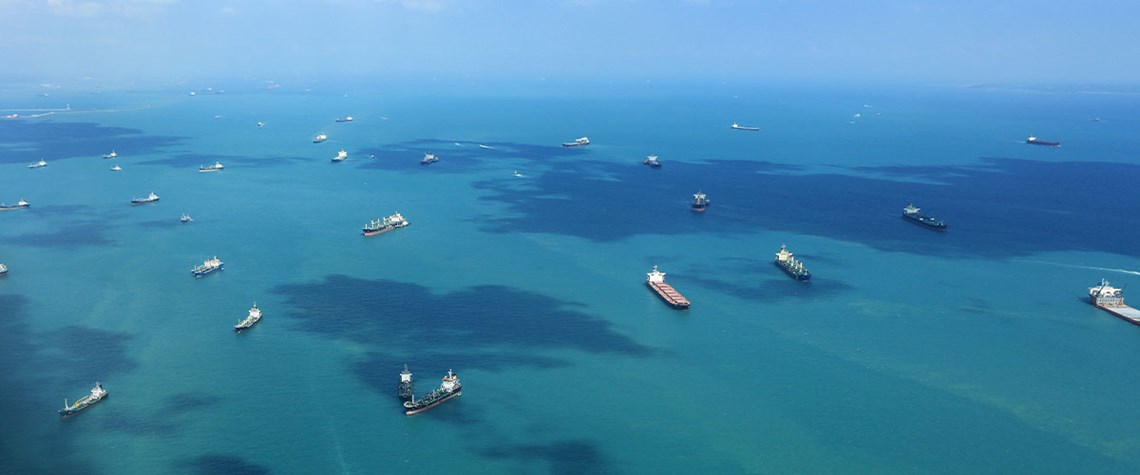
Global hydrogen trade to develop in four phases

Thousands of miles of pipelines and more than 1,100 dedicated ships will be needed by 2050, says McKinsey report

Global trade in low-carbon hydrogen will develop across four distinct phases, ending up with a fully mature traded market by 2050, according to the Global Hydrogen Flows report carried out by consultancy McKinsey for industry group the Hydrogen Council. Trade in pure hydrogen is expected to remain regional and be shipped via a carrier only if there is no local demand—although some trade does develop as costs come down close to 2050. However, hydrogen derivatives—including ammonia for end-use, methanol, synthetic kerosene and direct reduced iron—will increasingly be shipped around the world, given relatively low transport costs. 400mn t/yr – Volume of hydrogen traded by 2050 During th

Also in this section
Capital boost for UK Saltend green hydrogen project
10 December 2025
Project developer Meld Energy ready to accelerate 100MW project in Humber region after securing investment from energy transition arm of private equity firm Schroders Capital
Everfuel starts installing Europe’s biggest electrolyser
12 August 2021
Facility expected online in mid-2022 with green hydrogen production and storage capacity adjacent to Fredericia refinery
Mitsui and Origin study ammonia supply into Japan
11 August 2021
Japanese shipping giant and Australian energy firm aim to establish export supply chain by year-end
BP talks up Australia’s green hydrogen potential
11 August 2021
Feasibility study supports BP plans for pilot and commercial-scale production in plants in Western Australia

Share PDF with colleagues

COPYRIGHT NOTICE: PDF sharing is permitted internally for Petroleum Economist Gold Members only. Usage of this PDF is restricted by <%= If(IsLoggedIn, User.CompanyName, "")%>’s agreement with Petroleum Economist – exceeding the terms of your licence by forwarding outside of the company or placing on any external network is considered a breach of copyright. Such instances are punishable by fines of up to US$1,500 per infringement
Send

Forward article Link

Send
Sign Up For Our Newsletter
Project Data
Maps
Podcasts
Social Links
Featured Video
Home
  • About us
  • Subscribe
  • Reaching your audience
  • PE Store
  • Terms and conditions
  • Contact us
  • Privacy statement
  • Cookies
  • Sitemap
All material subject to strictly enforced copyright laws © 2025 The Petroleum Economist Ltd
Cookie Settings
;

Search