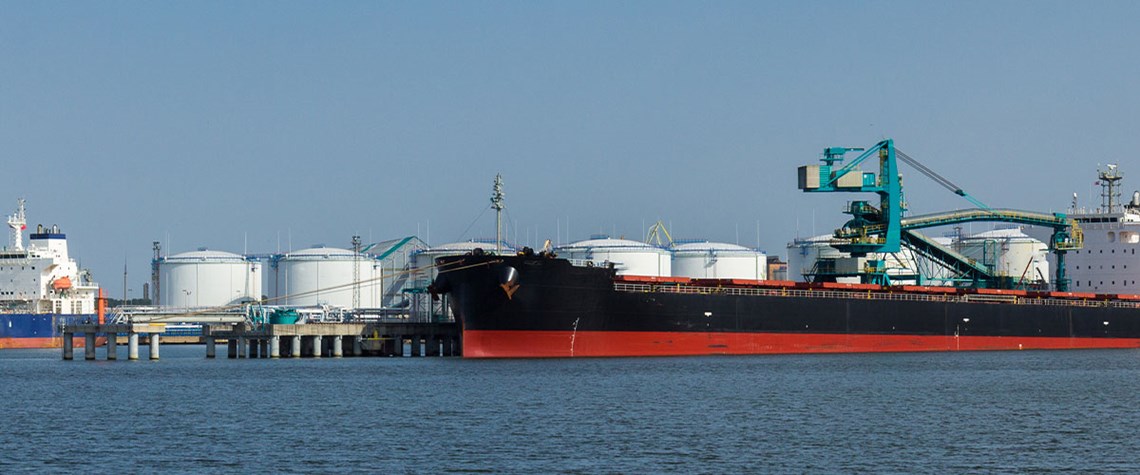
Shipping hydrogen presents logistical and infrastructure challenges
Hydrogen trade could rely on derivatives
Ammonia and methanol may present quicker routes to market
An international hydrogen market will likely initially hinge on the derivatives of the gas, such as ammonia and methanol, according to industry experts speaking at the recent World Hydrogen Congress. Firms such as Japan’s Kawasaki Heavy Industries have started to develop vessels to transport liquid hydrogen, but they have yet to reach wide levels of adoption and can only carry relatively small volumes at present. The market for pure hydrogen will not develop with the same ease as the natural gas market due to shipping difficulties, according to Mansur Zhakupov, vice-president for hydrogen production and distribution at TotalEnergies. “Compared to the liquefaction of natural gas, transforming

Also in this section
1 April 2026
Multiple projects have been scrapped and valuations have nosedived, but the IEA says hydrogen is no passing fad
25 March 2026
The Middle East energy shock has highlighted the value of France’s unique potential to deploy nuclear-powered electrolysers
18 March 2026
The second fossil-fuel price shock in four years can be a much-needed catalyst for investment in the sector
9 March 2026
Hydrogen has not stalled in the UK because the technology does not work. The problem is that the system around it does not yet move at the speed required