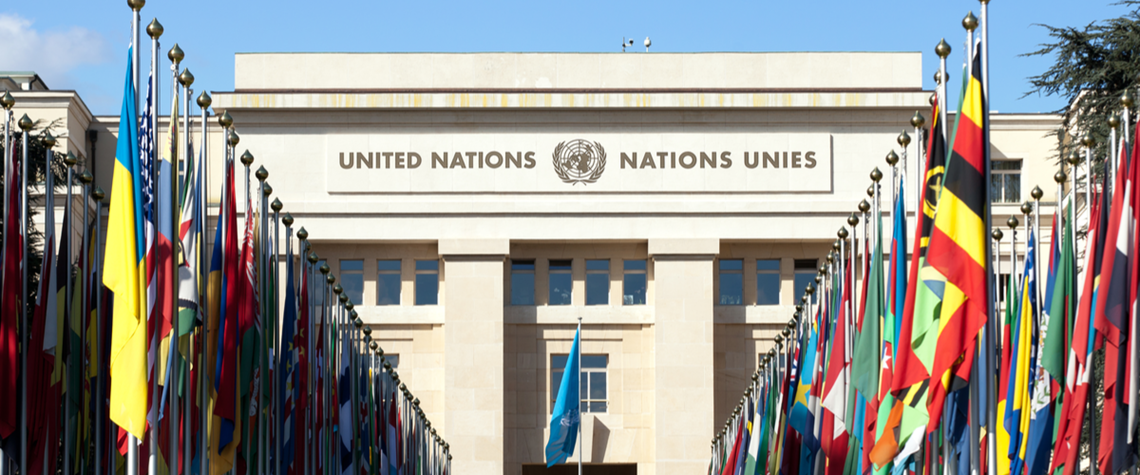
The UN oversees global climate talks
UN body calls for national hydrogen plans
Enabling a hydrogen economy is one of three key areas that countries must look at in NDCs to Paris Agreement
Enabling a hydrogen economy is one of three key areas that countries must consider ahead of the Cop26 climate talks in November, according to the United Nations Economic Commission for Europe (Unece). Hydrogen was a little-discussed issue at the Paris climate talks in 2015, but in the intervening years has come to be considered a key part of achieving net zero. Hydrogen was highlighted as important for achieving the Paris agreement’s goals by a meeting of more than fifty ministers with the UN Framework Convention on Climate Change in July. But many countries do not yet have hydrogen strategies, including in the nationally determined contributions (NDCs) to the Paris Agreement. Action on hydr

Also in this section
1 April 2026
Multiple projects have been scrapped and valuations have nosedived, but the IEA says hydrogen is no passing fad
25 March 2026
The Middle East energy shock has highlighted the value of France’s unique potential to deploy nuclear-powered electrolysers
18 March 2026
The second fossil-fuel price shock in four years can be a much-needed catalyst for investment in the sector
9 March 2026
Hydrogen has not stalled in the UK because the technology does not work. The problem is that the system around it does not yet move at the speed required