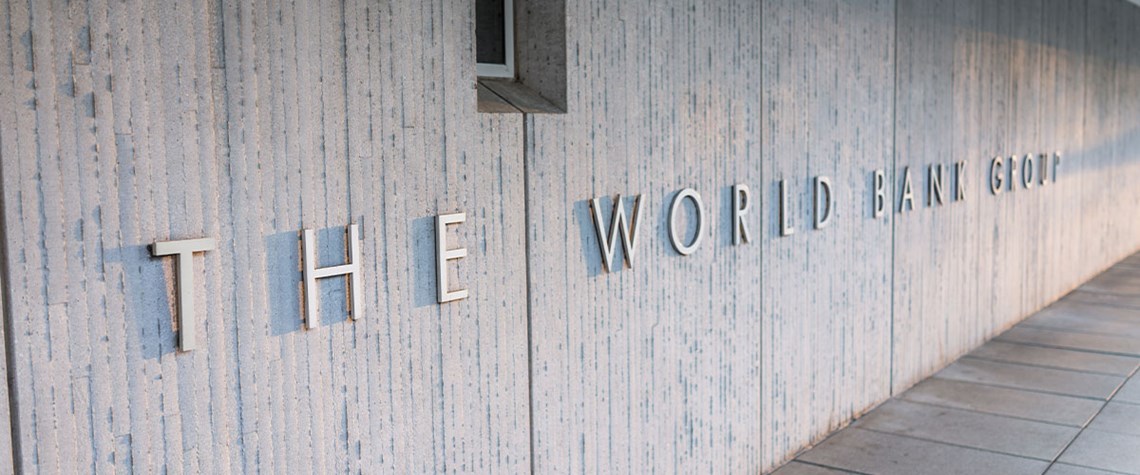
The World Bank is collecting knowledge about hydrogen
World Bank launches hydrogen initiative
Partnership aims to foster capacity-building, regulation, business models and technologies in developing countries
The World Bank has created a new global initiative to boost the deployment of low-carbon hydrogen in developing countries, called the Hydrogen for Development Partnership (H4D), which will produce, collect, curate and disseminate accurate knowledge about hydrogen to countries that need it. The partnership aims to foster capacity-building, regulation, business models and technologies in developing countries and will see $2–3bn of World Bank financing blended with other sources of public and private sector financing. “Low-carbon hydrogen can have a significant role in countries seeking to accelerate their clean energy transition,” says David Malpass, president of the World Bank. “Our new hydro

Also in this section
1 April 2026
Multiple projects have been scrapped and valuations have nosedived, but the IEA says hydrogen is no passing fad
25 March 2026
The Middle East energy shock has highlighted the value of France’s unique potential to deploy nuclear-powered electrolysers
18 March 2026
The second fossil-fuel price shock in four years can be a much-needed catalyst for investment in the sector
9 March 2026
Hydrogen has not stalled in the UK because the technology does not work. The problem is that the system around it does not yet move at the speed required