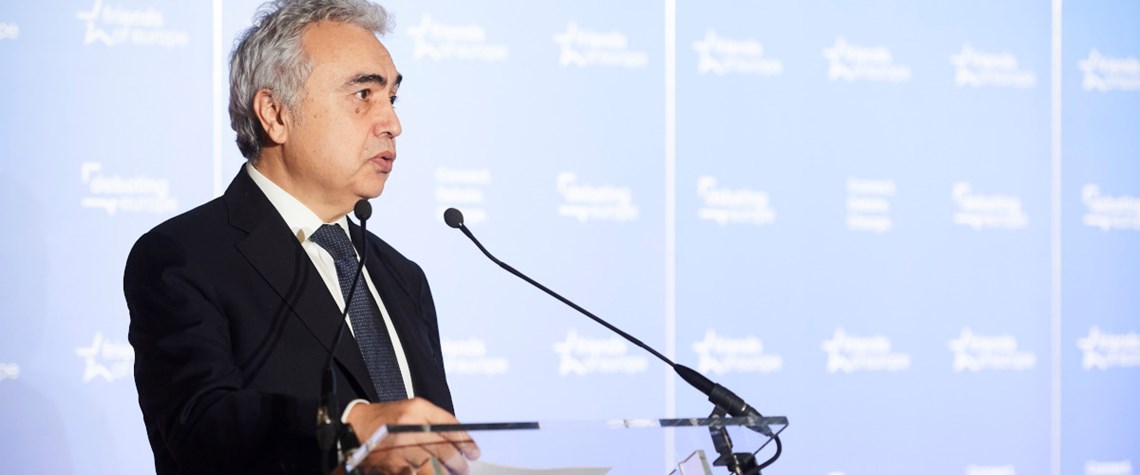
Birol: Regional concentration of manufacturing must diversify
Electrolyser manufacturing to rise tenfold by 2030 – IEA
Industry must be wary of regional concentration to avoid supply chain disruption, agency says
Global electrolyser manufacturing capacity is set to increase by a factor of ten from around 10GW/yr now to more than 100GW/yr by 2030, around half the level needed to be consistent with a net-zero by 2050 pathway, according to the IEA’s Energy Technology Perspectives 2023 report. Current electrolyser manufacturing capacity is much larger than annual deployment. But expected increases in line with national strategies and announced industrial plans will require greatly increased capacity in the second half of the decade. China has the highest share of global electrolyser manufacturing capacity, at more than 40pc, with Europe coming second on 25pc and North America, Japan and India making up t

Also in this section
1 April 2026
Multiple projects have been scrapped and valuations have nosedived, but the IEA says hydrogen is no passing fad
25 March 2026
The Middle East energy shock has highlighted the value of France’s unique potential to deploy nuclear-powered electrolysers
18 March 2026
The second fossil-fuel price shock in four years can be a much-needed catalyst for investment in the sector
9 March 2026
Hydrogen has not stalled in the UK because the technology does not work. The problem is that the system around it does not yet move at the speed required