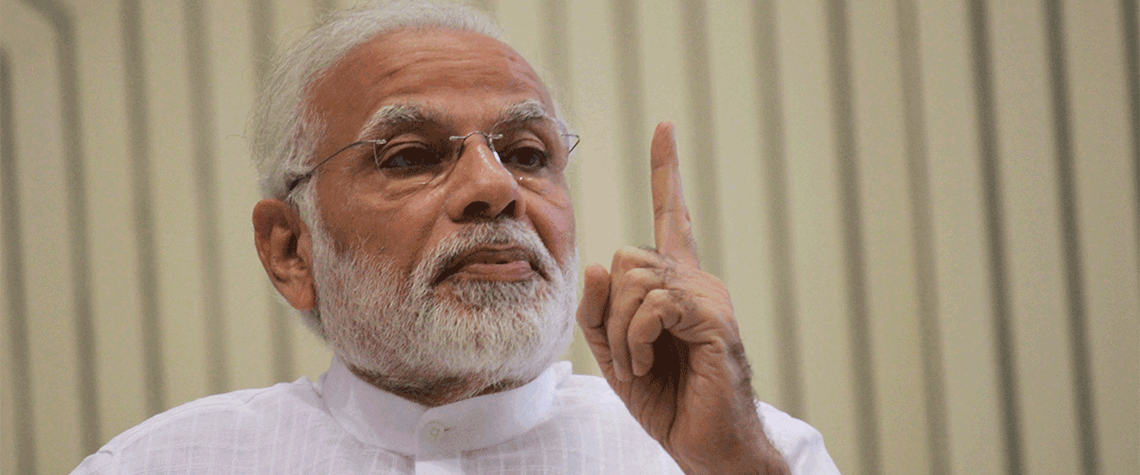
H2 mission: Prime Minister Narendra Modi
India’s green ambitions face headwinds
Lack of export infrastructure and high production costs among challenges for the country’s nascent electrolytic hydrogen sector
India has embarked on an ambitious plan to develop the hydrogen sector as a part of its target to achieve net zero by 2070. Under the National Green Hydrogen Mission, the government of Prime Minister Narendra Modi has announced plans to make India a global hub for the production, use and export of green hydrogen and its derivatives. The abundance of potential renewable energy sources, the 2070 net-zero goal and India’s growing economy are some of the factors working in favour of these ambitions. However, challenges include high production costs, lack of domestic demand and the absence of the necessary infrastructure—especially for exports. Under the National Green Hydrogen Mission, India aim

Also in this section
1 April 2026
Multiple projects have been scrapped and valuations have nosedived, but the IEA says hydrogen is no passing fad
25 March 2026
The Middle East energy shock has highlighted the value of France’s unique potential to deploy nuclear-powered electrolysers
18 March 2026
The second fossil-fuel price shock in four years can be a much-needed catalyst for investment in the sector
9 March 2026
Hydrogen has not stalled in the UK because the technology does not work. The problem is that the system around it does not yet move at the speed required