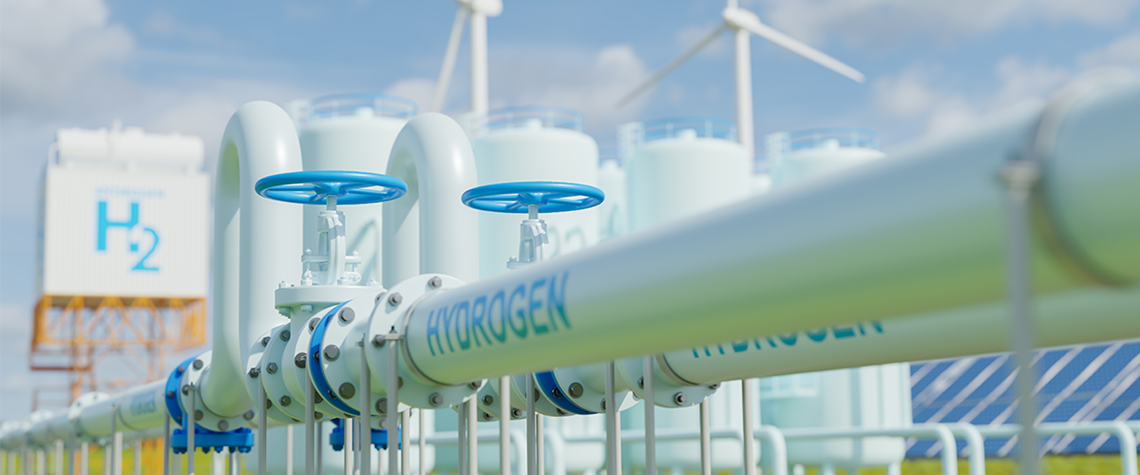
The hydrogen sector needs infrastructure
Letter from Rotterdam: Somewhere over the rainbow
The ultimate prize for the low-carbon hydrogen sector is a significant share of the global energy mix, but multiple challenges stand in the way
“Is there a pot of gold at the end of the hydrogen rainbow?” That was the question posed by opening keynote speaker Nicola De Blasio, senior fellow at the Harvard Kennedy School’s Belfer Center, at the recent World Hydrogen Congress. Judging by the discussions that followed, the industry’s answer might go something like this: Maybe, but let us not get ahead of ourselves, because the immediate challenges are significant. The consensus is that the “pot of gold” for the nascent low-carbon hydrogen industry is a 10–15% share of the global energy mix by the second half of the century and, as a result, a significant role in the net-zero project. That is a long way off. The industry’s immediate foc

Also in this section
1 April 2026
Multiple projects have been scrapped and valuations have nosedived, but the IEA says hydrogen is no passing fad
25 March 2026
The Middle East energy shock has highlighted the value of France’s unique potential to deploy nuclear-powered electrolysers
18 March 2026
The second fossil-fuel price shock in four years can be a much-needed catalyst for investment in the sector
9 March 2026
Hydrogen has not stalled in the UK because the technology does not work. The problem is that the system around it does not yet move at the speed required