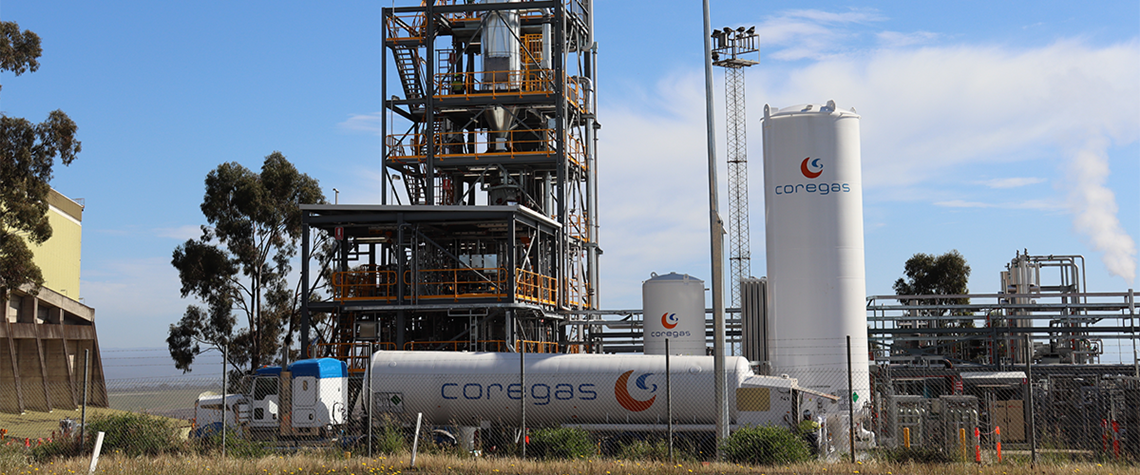
A hydrogen pilot plant in Victoria, Australia
Australia leads the way in Asia-Pacific hydrogen
The country is at the forefront of the region’s hydrogen race, but Asia’s other major economies have big plans of their own
Asia is home to five of the ten largest carbon-emitting nations (China, India, Indonesia, Japan and South Korea), according to EU data. Many Asian countries have instituted pathways and programmes to reach their net-zero goals by the mid-century, most of which include heavy investments in hydrogen production, infrastructure and fuelling. The Asia-Pacific region accounts for 20% of active global hydrogen projects. The region is investing more than $350b in new hydrogen capacity and infrastructure over the next several years. At the time of publication, the GEI database was tracking nearly 300 active hydrogen projects in the region. Australia accounts for nearly half of these, followed by Chin

Also in this section
1 April 2026
Multiple projects have been scrapped and valuations have nosedived, but the IEA says hydrogen is no passing fad
25 March 2026
The Middle East energy shock has highlighted the value of France’s unique potential to deploy nuclear-powered electrolysers
18 March 2026
The second fossil-fuel price shock in four years can be a much-needed catalyst for investment in the sector
9 March 2026
Hydrogen has not stalled in the UK because the technology does not work. The problem is that the system around it does not yet move at the speed required