


Newsletters | Request Trial | Log in | Advertise | Digital Issue   |   Search
  • Upstream
  • Midstream & Downstream
  • Gas & LNG
  • Trading & Markets
  • Corporate & Finance
  • Geopolitics
  • Podcasts
Search
Related Articles
Difficult times for Germany’s downstream
Europe’s refining sector is desperately trying to adapt to a shifting global energy landscape and nowhere is this more apparent than in its largest economy
Global oil benchmark resolves its existential crisis
The addition of US crude to the world’s top oil benchmark has finally solved its North Sea conundrum and laid down a marker for the future
US shale needs to find new efficiencies
Output looks to a growth model based around doing more with less given green policy pressure, with tech advancements, equipment upgrades and fiscal tools key
Letter from London: The unbearable lightness of being US shale
While the US has been breaking records for its premium grade crude, there are doubts over whether you can have too much of a good thing
ExxonMobil deal will transform shale and beyond
The major’s $60bn Pioneer purchase signals long-term view of oil demand and a mature consolidated shale industry
US shale starts 2023 in ‘realistic’ mood
First-quarter shale results show ongoing restraint amid signs of cost deflation
Ineos Energy leans into oil with US shale deal
Company ready to develop Eagle Ford shale after $1.4bn deal with Chesapeake Energy, chairman Brian Gilvary tells Petroleum Economist in an interview
Bakken boosts its gas infrastructure
Oil is still a serious business in the Bakken shale, but when it comes to midstream, the money is on gas
Oil trading’s biggest bust – MG: The death spiral and aftermath
Kevin O’Reilly concludes the cautionary tale of the German conglomerate’s overreach with what went very, very wrong
Permian still primed for growth
Expansion prospects for the dominant oil shale basin remain in 2023
Oil markets Shale
Bill Barnes
6 March 2019
Follow @PetroleumEcon
Forward article link
Share PDF with colleagues

Getting more oil on the move

Enterprise Products Partners looks set to maintain its leading position in the expansion of US midstream logistics over the next two years

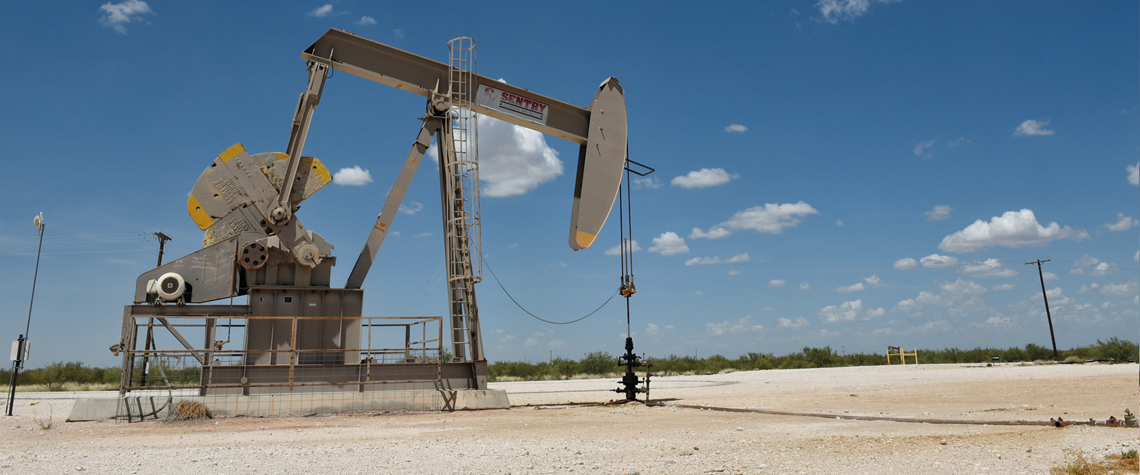
The ongoing US upstream revolution will offer continued expansion in connecting growing hydrocarbons production to domestic end-user and export opportunities. But Enterprise and its competitors will need to continue to be attentive to their balance sheets as the market remains skittish about financing the volatile energy sector. Meanwhile, the company is strengthening its balance sheet in an apparent transition to a more conventional corporate financial model from its current limited partnership LP structure.     The US Energy Information Administration's (EIA's) latest Short-Term Energy Outlook, published 15 January, estimates that US crude oil production averaged 10.9mn bl/d last year, and

Also in this section
Explainer: What do Russia’s oil giants own overseas?
4 December 2025
Time is running out for Lukoil and Rosneft to divest international assets that will be mostly rendered useless to them when the US sanctions deadline arrives in mid-December
Letter from Saudi Arabia: US-Saudi energy ties enter a new phase
Opinion
3 December 2025
Aramco’s pursuit of $30b in US gas partnerships marks a strategic pivot. The US gains capital and certainty; Saudi Arabia gains access, flexibility and a new export future
Letter from London: Oil’s golden triangle
Opinion
2 December 2025
The interplay between OPEC+, China and the US will define oil markets throughout 2026
Libya’s upstream caught between hope and caution
1 December 2025
The North African producer’s first bidding round in almost two decades is an important milestone but the recent extension suggests a degree of trepidation

Share PDF with colleagues

COPYRIGHT NOTICE: PDF sharing is permitted internally for Petroleum Economist Gold Members only. Usage of this PDF is restricted by <%= If(IsLoggedIn, User.CompanyName, "")%>’s agreement with Petroleum Economist – exceeding the terms of your licence by forwarding outside of the company or placing on any external network is considered a breach of copyright. Such instances are punishable by fines of up to US$1,500 per infringement
Send

Forward article Link

Send
Sign Up For Our Newsletter
Project Data
Maps
Podcasts
Social Links
Featured Video
Home
  • About us
  • Subscribe
  • Reaching your audience
  • PE Store
  • Terms and conditions
  • Contact us
  • Privacy statement
  • Cookies
  • Sitemap
All material subject to strictly enforced copyright laws © 2025 The Petroleum Economist Ltd
Cookie Settings
;

Search
