


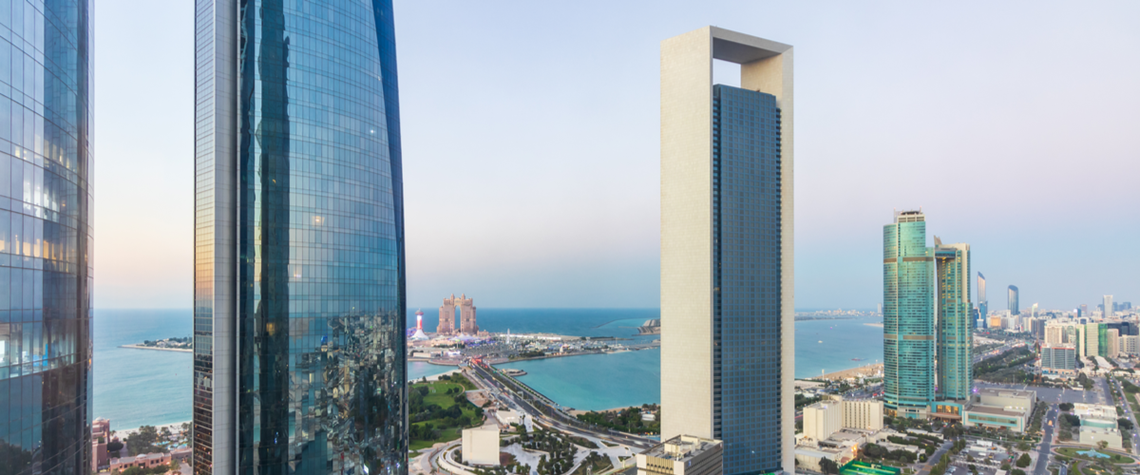
Adnoc is a weighty player in the UAE’s climate goals
Letter from the Middle East: Adnoc’s road to net zero
The NOC must decarbonise rapidly if the UAE is to meet its emissions pledge
The UAE’s 2050 net-zero carbon pledge, announced on 7 October, ramps up the pressure and puts the spotlight on state oil giant Adnoc. Its CEO Sultan al-Jaber also happens to be chairman of clean energy vehicle Masdar and the UAE’s special envoy for climate change. A healthy competition has developed between Adnoc and its neighbourly rival Saudi Aramco on climate, as on modernisation and strategic vision generally. This mirrors a wider race between the UAE and Saudi Arabia in which Abu Dhabi often, but not always, makes the first move. Riyadh’s own net-zero commitment, a decade later than the UAE’s, was promulgated just over a fortnight after its neighbour. 39.7mn t – Adnoc’s direct CO₂

Also in this section
2 April 2026
Alongside a rapid continued build-out of renewables, China’s latest five-year plan stresses the value of domestic hydrocarbon production for energy security and calls for increased Russian gas imports
2 April 2026
The government is taking important steps to revive domestic production, lift investment and benefit from the geopolitical crisis even if more needs to be done in the longer term
1 April 2026
Golden Pass’s startup offers QatarEnergy a timely boost but may also force a difficult choice between honouring disrupted contracts and capitalising on soaring spot LNG prices
1 April 2026
It is not a case of if or when, but the length and magnitude of economic damage from elevated oil prices


