


Newsletters | Request Trial | Log in | Advertise | Digital Issue   |   Search
  • Upstream
  • Midstream & Downstream
  • Gas & LNG
  • Trading & Markets
  • Corporate & Finance
  • Geopolitics
  • Podcasts
Search
Related Articles
Outlook 2026: Renewal and growth in Nigeria’s upstream sector
Government reforms are restoring investor confidence in the country’s oil and gas industry
OPEC’s discipline sets tone for 2026
OPEC+ remains on track as output falls, with only Gabon failing to hit its output targets in December, although Kazakhstan’s compliance was involuntary
OPEC presses pause
The group’s oil production declined in November, our latest analysis finds, amid divided sentiment over market balances and geopolitical jitters
Letter from London: Oil’s golden triangle
The interplay between OPEC+, China and the US will define oil markets throughout 2026
OPEC+ nears output targets amid unsolved riddles
OPEC+ has proven to be astute at bringing back oil production, but mysteries around Chinese buying, missing barrels and oil-on-water have left the group in wait-and-see mode
Nigeria aligns independents with NNPC
OPEC governor Ademola Adeyemi-Bero explains Nigeria First policy as the African producer looks to drive production back above 2m b/d and play crucial role in OPEC
Nigeria charts ‘just transition’ course for NOCs
OPEC Governor Ademola Adeyemi Bero argues that only by prioritising oil and gas through partnerships with IOCs and stable OPEC market management can NOCs fulfil their pivotal global role
Shell offshore deal signals Nigerian gas coming of age
FID on the HI development suggests the country’s chronically under-exploited gas reserves are beginning to be properly exploited
OPEC+ exposes its producers’ limits
Saudi Arabia, the UAE and Iraq appear to be only members able to increase output as Russia approaches close to maximum capacity
Nigerian oil theft: Breakthrough or false dawn?
Progress on fixing Nigeria’s long-term oil pipeline theft problem needs to be supported by a wider strategy to avoid relapse
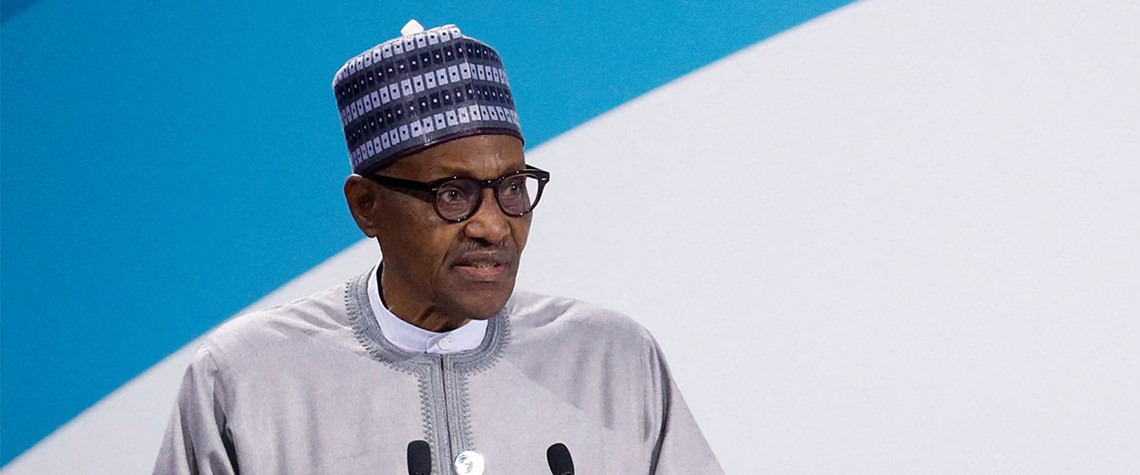
Nigerian president Muhammadu Buhari
Nigeria NNPC Opec
Simon Ferrie
21 July 2022
Follow @PetroleumEcon
Forward article link
Share PDF with colleagues

NNPC becomes limited company

Reforms to the NOC come at a crucial time for Nigeria’s upstream

Nigeria has turned its state oil firm into a limited company, but doubts remain over whether this will help the country reverse declining production and if the government really will adopt a hands-off approach. In mid-July, NNPC became NNPC Ltd, a new entity that is “commercial, independent and viable”, says Nigerian president Muhammadu Buhari. The new NNPC is a “commercially driven and independent national oil company, which will operate without relying on government funding and free from institutional regulations”, the president continues. But the limited company is not free from obligations to the state, since it “is mandated by law to ensure Nigeria’s national energy security is guarante

Also in this section
Letter from Saudi Arabia: Big oil meets big shovel
Opinion
22 January 2026
As Saudi Arabia pushes mining as a new pillar of its economy, Saudi Aramco is positioning itself at the intersection of hydrocarbons, minerals and industrial policy
Turkey locks in more Azeri gas
22 January 2026
New long-term deal is latest addition to country’s rapidly evolving supply portfolio as it eyes role as regional gas hub
Oil in 2026: Five factors to watch
21 January 2026
Petroleum Economist takes a look at the critical developments that look set to govern the course of the market for this year
Venezuela upends global heavy crude market
20 January 2026
The ripple effects of US refiners switching to Venezuela grades will be felt from Canada to China and everywhere in between

Share PDF with colleagues

COPYRIGHT NOTICE: PDF sharing is permitted internally for Petroleum Economist Gold Members only. Usage of this PDF is restricted by <%= If(IsLoggedIn, User.CompanyName, "")%>’s agreement with Petroleum Economist – exceeding the terms of your licence by forwarding outside of the company or placing on any external network is considered a breach of copyright. Such instances are punishable by fines of up to US$1,500 per infringement
Send

Forward article Link

Send
Sign Up For Our Newsletter
Project Data
Maps
Podcasts
Social Links
Featured Video
Home
  • About us
  • Subscribe
  • Reaching your audience
  • PE Store
  • Terms and conditions
  • Contact us
  • Privacy statement
  • Cookies
  • Sitemap
All material subject to strictly enforced copyright laws © 2025 The Petroleum Economist Ltd
Cookie Settings
;

Search
