


Australia battered but unbowed
Delays and cost overruns hurt the sector, but Australia is still on course to become a global export powerhouse
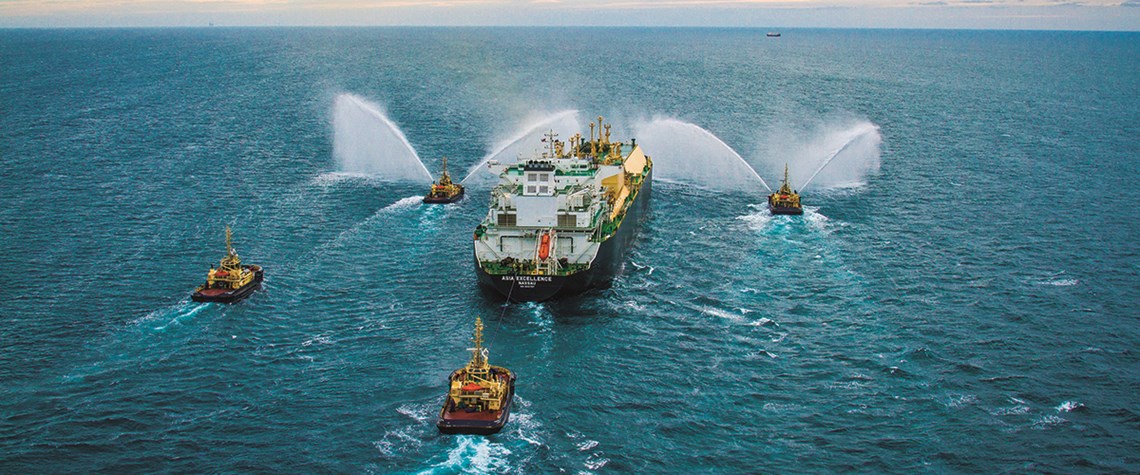
The 2014 collapse in oil prices was a heavy blow for Australia's booming liquefied natural gas industry, smashing the profitability of seven new mega-projects that represented a combined investment of about $200bn. But two or so years down the track, four of the projects have been commissioned (QCLNG, GLNG, APLNG and Gorgon), while Wheatstone, Ichthys and Prelude are on their way to completion in 2017 or 2018. In general, the LNG industry in Australia is proving to be resilient and remains on track to become the world's largest over the next two to three years. QCLNG, which became part of Shell in early 2016 following its takeover of BG, was the first of the new generation of Australian LNG

Also in this section
2 April 2026
Alongside a rapid continued build-out of renewables, China’s latest five-year plan stresses the value of domestic hydrocarbon production for energy security and calls for increased Russian gas imports
2 April 2026
The government is taking important steps to revive domestic production, lift investment and benefit from the geopolitical crisis even if more needs to be done in the longer term
1 April 2026
Golden Pass’s startup offers QatarEnergy a timely boost but may also force a difficult choice between honouring disrupted contracts and capitalising on soaring spot LNG prices
1 April 2026
It is not a case of if or when, but the length and magnitude of economic damage from elevated oil prices


