


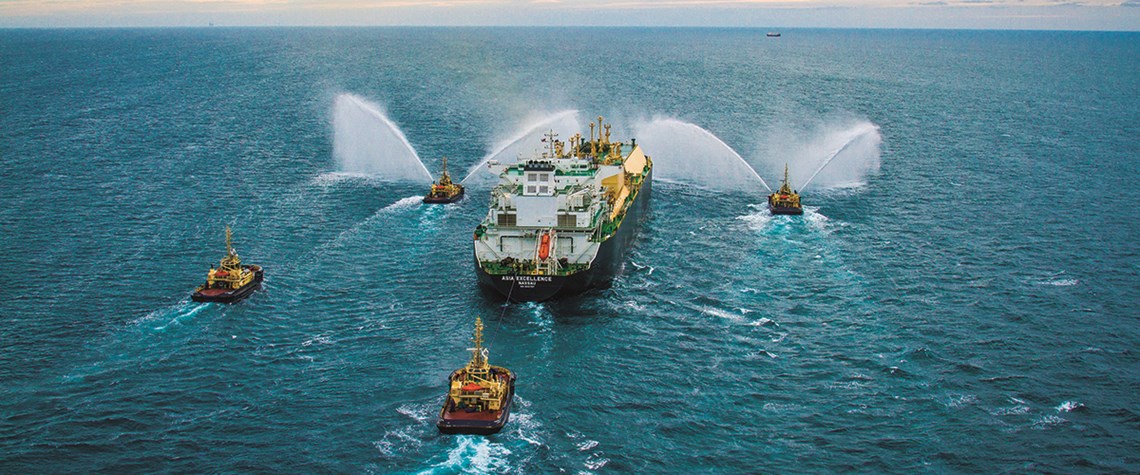
Australia battered but unbowed
Delays and cost overruns hurt the sector, but Australia is still on course to become a global export powerhouse
The 2014 collapse in oil prices was a heavy blow for Australia's booming liquefied natural gas industry, smashing the profitability of seven new mega-projects that represented a combined investment of about $200bn. But two or so years down the track, four of the projects have been commissioned (QCLNG, GLNG, APLNG and Gorgon), while Wheatstone, Ichthys and Prelude are on their way to completion in 2017 or 2018. In general, the LNG industry in Australia is proving to be resilient and remains on track to become the world's largest over the next two to three years. QCLNG, which became part of Shell in early 2016 following its takeover of BG, was the first of the new generation of Australian LNG

Also in this section
28 April 2026
Oil traders warning of $200/bl oil are wrong, and the market should be wary of proclamations that the impact of the oil shortage has only begun to be felt and a that a ‘harsh adjustment’ is coming—even for industrialised nations
28 April 2026
Restoring supply from Saudi Arabia, the UAE, Kuwait, Qatar, Bahrain and Iraq involves complexities far beyond simply adjusting operational controls
28 April 2026
Datacentres will guzzle power at a ferocious rate, but the impact on wider energy markets will be far more complex than previously thought
28 April 2026
The key energy player faces balancing regional routes, political complexities, and creating a clear strategic vision for energy security


