


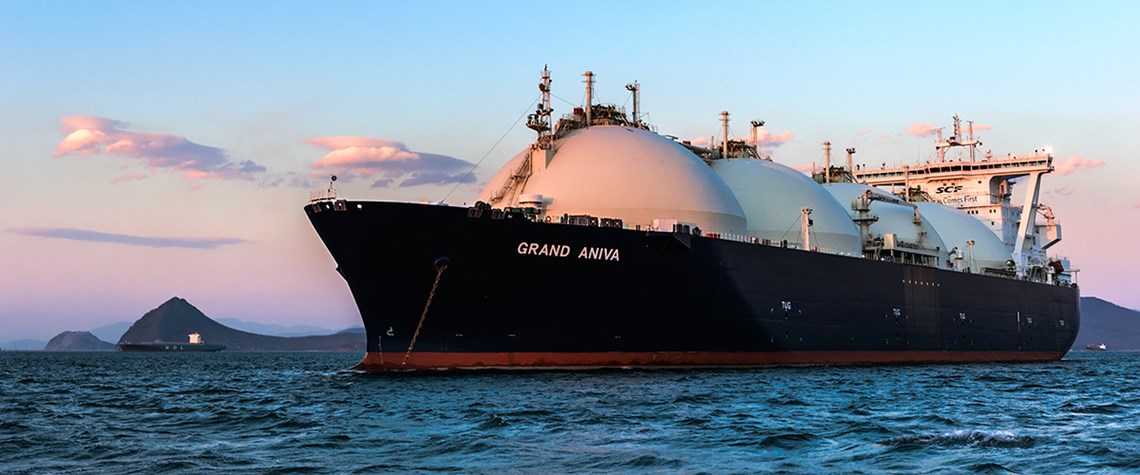
LNG gluts and cycles
Structural oversupply is about to hit the market and some projects will have to curtail output to cope. But buyers and developers must take a longer-term view
What a ride. Since liquefied natural gas (LNG) hit giddy highs a few years back, prices have collapsed from the high teens to levels around $5 to $6 per million British thermal units. This has been driven by low oil prices, rather than an oversupply of LNG. But now comes an era of structural LNG oversupply, which will see spot prices remain depressed through to early next decade, even if oil prices rise. Established LNG producers and buyers, as well as new industry entrants, are having to adapt to the largest, steepest, most prolonged drop in prices the LNG industry has ever faced. Plenty of LNG capacity, now under construction, is about to come online without demand to meet it. Global LNG s

Also in this section
2 April 2026
Alongside a rapid continued build-out of renewables, China’s latest five-year plan stresses the value of domestic hydrocarbon production for energy security and calls for increased Russian gas imports
2 April 2026
The government is taking important steps to revive domestic production, lift investment and benefit from the geopolitical crisis even if more needs to be done in the longer term
1 April 2026
Golden Pass’s startup offers QatarEnergy a timely boost but may also force a difficult choice between honouring disrupted contracts and capitalising on soaring spot LNG prices
1 April 2026
It is not a case of if or when, but the length and magnitude of economic damage from elevated oil prices


