


LNG power play
Weak prices are an opportunity for LNG-to-power developers. But projects need the right partners and location to succeed
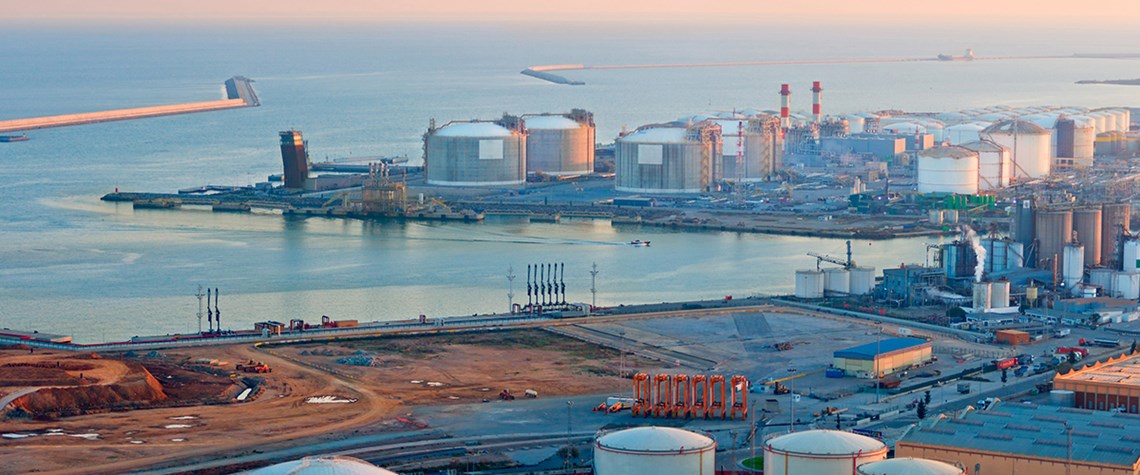
It's no secret that a global liquefied natural gas glut has pressured prices from Europe to Southeast Asia. LNG imports into Japan now cost buyers just $8 per million British thermal units—less than half the price two and a half years ago. Europeans are importing LNG for even less, for around $5-6/m Btu. Faced with saturated gas markets and persistently low prices, both power buyers and gas producers spy an opportunity to develop LNG-to-power projects. These projects typically consist of an LNG import terminal to receive, store and regasify the LNG, and a connected gas-fired power plant to burn the fuel to produce electricity. Several LNG-to-power projects are under development or recently c

Also in this section
2 April 2026
Alongside a rapid continued build-out of renewables, China’s latest five-year plan stresses the value of domestic hydrocarbon production for energy security and calls for increased Russian gas imports
2 April 2026
The government is taking important steps to revive domestic production, lift investment and benefit from the geopolitical crisis even if more needs to be done in the longer term
1 April 2026
Golden Pass’s startup offers QatarEnergy a timely boost but may also force a difficult choice between honouring disrupted contracts and capitalising on soaring spot LNG prices
1 April 2026
It is not a case of if or when, but the length and magnitude of economic damage from elevated oil prices


