


Newsletters | Request Trial | Log in | Advertise | Digital Issue   |   Search
  • Upstream
  • Midstream & Downstream
  • Gas & LNG
  • Trading & Markets
  • Corporate & Finance
  • Geopolitics
  • Podcasts
Search
Related Articles
Outlook 2026: Freedom gas, captive buyer
Japan once wrote the book on LNG supply diversification, but it is now looking increasingly reliant on a single major provider
Outlook 2026: LNG markets and the overhang
A third wave of LNG supply is coming, and with it a likely oversupply of the fuel by 2028
Outlook 2026: The geopolitical weaponisation of LNG
Global gas markets are being reshaped by politics as much as by gas prices and fundamentals. From Washington to Doha, Brussels and Beijing, LNG has become a strategic weapon as much as a commodity
Outlook 2026: LNG’s Pacific FID race heats up – Ramp-ups, rejuvenations and restarts
The US Gulf dominated investment decisions this year, but Asian importers’ concerns over supplier diversity mean the focus is shifting
Letter from London: Oil’s golden triangle
The interplay between OPEC+, China and the US will define oil markets throughout 2026
The curious case of oil-on-water
The market is facing being drowned in excess crude, but one caveat is that a large chunk is due to buyers reluctant to snap up sanctioned barrels
Explainer: How the EU will wean itself off Russian gas
Questions remain about how the phase-out will be implemented and enforced in practice
China’s oil plan comes together
The country’s rapid output growth is an example that other producers could learn from
China seizes oil security opportunity
A combination of geopolitical uncertainty and OPEC+ barrels has driven a renewed focus on building strategic oil stocks despite flagging demand
Mideast states power up their gas priorities
Saudi Arabia, the UAE and Qatar are ploughing resources into gas—with a growing eye on facilitating domestic use in power and value-added sectors
China LNG Natural gas
Craig Guthrie
Washington
27 June 2018
Follow @PetroleumEcon
Forward article link
Share PDF with colleagues

WGC 2018: China to lead as Asian gas demand booms

China's need for a clean and abundant energy source is mirrored throughout the region

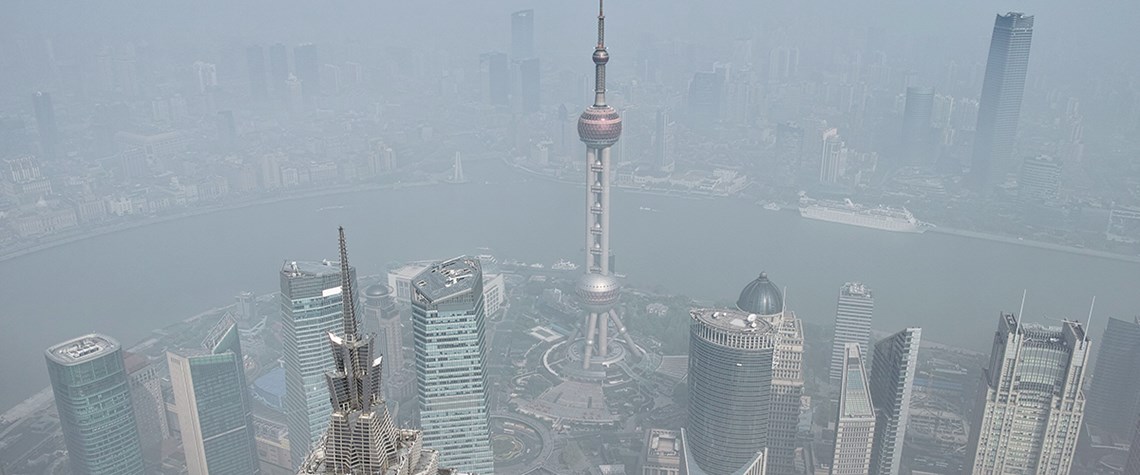
Increasingly urgent electrification and environmental goals will fuel surging natural gas demand across Asia over the next decade, with China leading the way, industry leaders said today. "Asia will be the game-changer for the energy revolution. Its role as the largest natural gas destination will only expand," said former IEA director Nobuo Tanaka at World Gas Conference 2018, noting Asia's rapidly expanding consumption and readiness to adopt new technologies, such as battery storage and driverless cars. China will be at the forefront of that growth, as momentum towards strong air-quality policies and Beijing's commitment to greener energy takes shape, noted panelists. The government has or

Also in this section
Venezuela mismanaged its oil, and US shale benefitted
14 January 2026
Chavez’s socialist reforms boosted state control but pushed knowledge and capital out of the sector, opening the way for the US shale revolution
Outlook 2026: From wells to wafers – How MENA is powering the new energy–data nexus
Outlook 2026
14 January 2026
Leading economies in the region are using oil and gas revenues to fund mineral strategies and power hyperscale computing
Outlook 2026: Peru 2026 – A confident step into a new energy era
Outlook 2026
14 January 2026
The South American country offers stable, transparent and high-potential opportunities and is now ready for fresh exploration and partnership
Europe’s rising energy security challenge
13 January 2026
Across Europe, countries have grappled with balancing ambitious energy transition plans with realities about security of supply

Share PDF with colleagues

COPYRIGHT NOTICE: PDF sharing is permitted internally for Petroleum Economist Gold Members only. Usage of this PDF is restricted by <%= If(IsLoggedIn, User.CompanyName, "")%>’s agreement with Petroleum Economist – exceeding the terms of your licence by forwarding outside of the company or placing on any external network is considered a breach of copyright. Such instances are punishable by fines of up to US$1,500 per infringement
Send

Forward article Link

Send
Sign Up For Our Newsletter
Project Data
Maps
Podcasts
Social Links
Featured Video
Home
  • About us
  • Subscribe
  • Reaching your audience
  • PE Store
  • Terms and conditions
  • Contact us
  • Privacy statement
  • Cookies
  • Sitemap
All material subject to strictly enforced copyright laws © 2025 The Petroleum Economist Ltd
Cookie Settings
;

Search
