


LNG demand to rise, but supply in question
There's a glut now, but future demand growth can support huge export capacity increases—if the massive investment needed is forthcoming
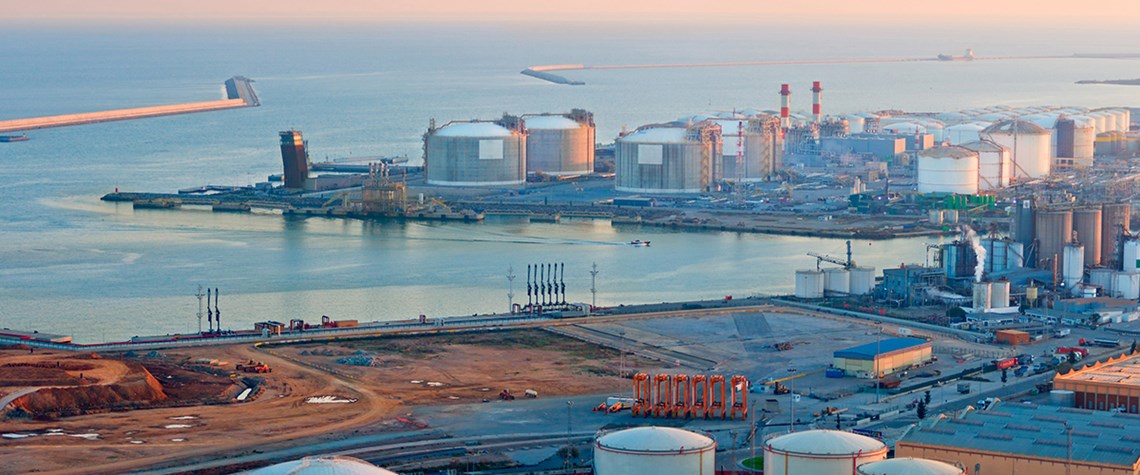
Nameplate export capacity for liquefied natural gas around the world reached around 290m tonnes a year by end-2017, with around 60m t/y of that added since early 2016. Around 40m t/y extra is planned for this year and about the same again next year. These are impressive stats, but they're largely the product of investment before 2014, when the oil price crash, the growing likelihood of US LNG exports and sluggish short-term demand growth turned off the funding taps for big non-US projects. Capacity additions scheduled to come on stream in 2020 are well below 5m t/y. If industry forecasts are to be believed, LNG capacity will need to double from current levels over the next 15-20 years to kee

Also in this section
2 April 2026
Alongside a rapid continued build-out of renewables, China’s latest five-year plan stresses the value of domestic hydrocarbon production for energy security and calls for increased Russian gas imports
2 April 2026
The government is taking important steps to revive domestic production, lift investment and benefit from the geopolitical crisis even if more needs to be done in the longer term
1 April 2026
Golden Pass’s startup offers QatarEnergy a timely boost but may also force a difficult choice between honouring disrupted contracts and capitalising on soaring spot LNG prices
1 April 2026
It is not a case of if or when, but the length and magnitude of economic damage from elevated oil prices


