


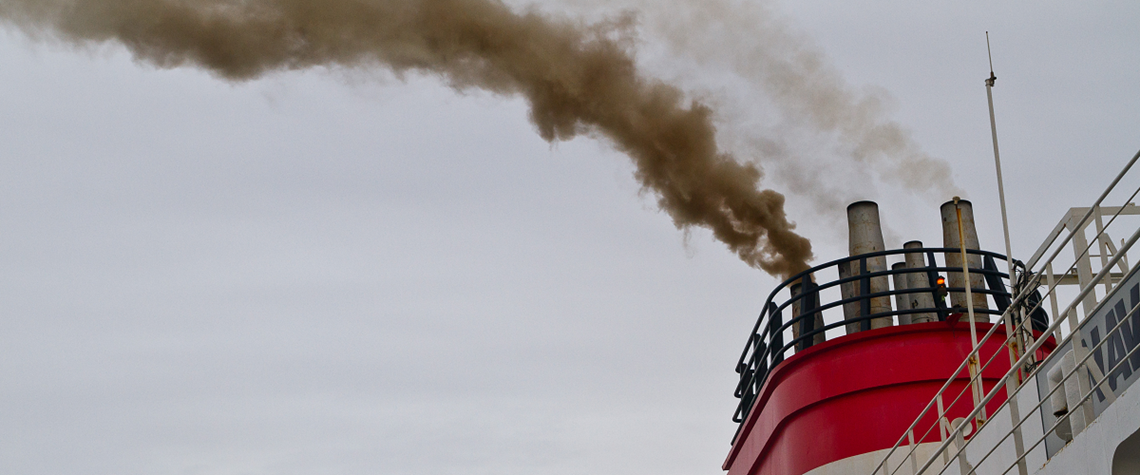
LNG powers ahead
LNG is making inroads into a variety of means of transport, with new maritime environmental regulations boosting its use in shipping
World liquefied natural gas imports in 2017 grew at their fastest rate since 2010. According to the International Group of LNG Importers (GIIGNL), imports worldwide surged 9.9% from 2016 to 289.8m tonnes. While China led the national import growth statistics, demand also grew elsewhere. LNG is increasing its share of new national and sectoral markets worldwide. In the traditional bulk gas and power sector, this April saw Bangladesh emerge as a new importer. A commissioning gas cargo from Qatar arrived at a new floating storage and regasification unit (FSRU) at Moheshkhali Port, developed by national oil company Petrobangla, Excelerate and the International Finance Corporation. Bangladesh exp

Also in this section
16 April 2026
Demand for oil is falling because supply cannot meet it, not because it is no longer required
16 April 2026
The continent has an immediate opportunity to make the most of its energy resources by capturing gas that is currently slipping away
15 April 2026
The continent is seeing political pushback to climate plans, corporate reassessment of transition goals and rising supply risk in a fractured global order
15 April 2026
The Middle East energy crisis may turn out to be pivotal to the industry’s long-term expansion, but significant challenges still stand in its way


