


Newsletters | Request Trial | Log in | Advertise | Digital Issue   |   Search
  • Upstream
  • Midstream & Downstream
  • Gas & LNG
  • Trading & Markets
  • Corporate & Finance
  • Geopolitics
  • Podcasts
Search
Related Articles
Canada’s oil and gas looks east
There is a clear push to bolster exports to Asia amid uncertainty around its North American neighbour, but there are limits to the benefits from the energy crisis
Europe’s LNG buildout slows
The EU is still weaning itself off Russian gas, but the expansion of its import infrastructure has slowed while Russia and Kazakhstan push ahead with expanding production
Mideast plans big spending on gas to meet demand
The region’s gas producers are investing heavily in the fuel in order to satisfy burgeoning demand resulting from economic growth and a shift to cleaner fuels
Gas growth cools in 2025
The GECF has warned it may revise its projections for demand this year downwards in light of conflict in the Middle East, although it maintains its forecasts for 2027 and onwards
Qatar’s Golden Pass dilemma
Golden Pass’s startup offers QatarEnergy a timely boost but may also force a difficult choice between honouring disrupted contracts and capitalising on soaring spot LNG prices
Lessons from the crisis
The US-Iran conflict demonstrates the need for diversification in several senses of the word. It also exposes the limits of Washington applying pressure on major oil and gas producers it considers geopolitical adversaries
Letter from the US: The oil market abyss
The overlooked oil supply issue is that even after the Strait of Hormuz opens, barrels won’t readily return
Dow restarts construction on its Path2Zero project
The company plans for phase-one startup in late 2029 as it seeks to maximise value from chemicals project following nine-month hiatus
Hormuz crisis delivers tailwinds for US LNG
Disruptions to Qatari LNG exports have highlighted the risks of concentrated supply, potentially strengthening the long-term position of US exporters despite limited near-term flexibility
Letter from the Middle East: LNG – the weak link the Gulf crisis just exposed
The crisis in the Middle East has put LNG’s ability to offer security and flexibility under uncomfortable scrutiny
LNG US Australia Qatar Mozambique Canada
24 January 2018
Follow @PetroleumEcon
Forward article link
Share PDF with colleagues

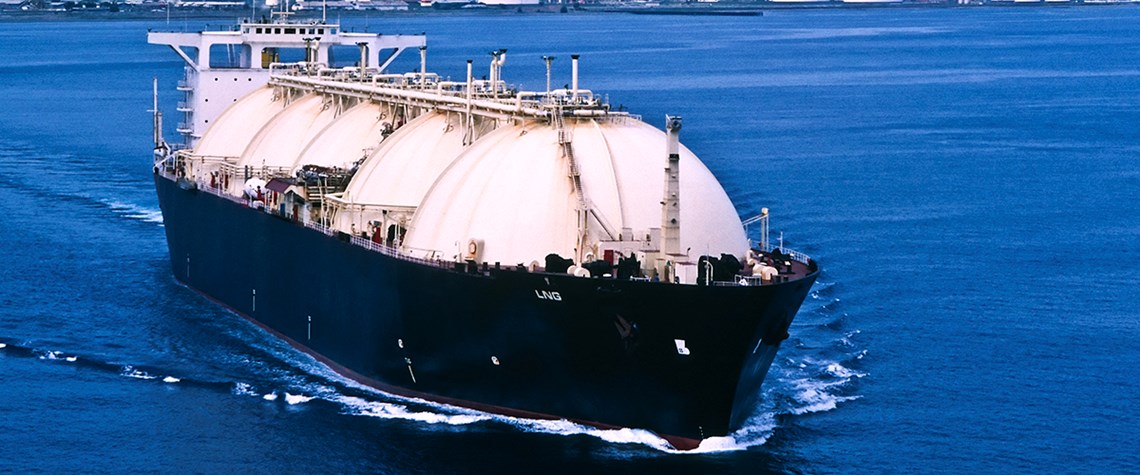
Lots of LNG

Australia and the US brought significant new supply on line. But who would buy it all?

In 2017, liquefied natural gas producers looked with hope to the future—and some worry at the present. Demand, they believed, would one day catch up. In the meantime, much new seaborne gas floated often aimlessly into the market. By early 2017, global nameplate liquefaction capacity had reached 340m tonnes a year, more than twice the number from 2005. Another 45m t/y was scheduled to start up by the end of 2017 too (and then another 30m in 2018, and more after that). The long-predicted flood of supply seemed, in 2017, to have arrived. Malaysia, Indonesia, Russia and Cameroon all chipped in—or would by year-end - but the bulk of the LNG came from two countries. Australia in 2017 entered the f

Also in this section
In pipelines we trust
23 April 2026
The addition of an oil pipeline to the Power of Siberia 2 gas project could ensure deliveries of Russian oil to China, materially shorten logistics lines between West Siberia and final customers, and—amid disruption in the Strait of Hormuz—offer a land-based export route that reduces exposure to maritime chokepoints
Canada’s oil and gas looks east
23 April 2026
There is a clear push to bolster exports to Asia amid uncertainty around its North American neighbour, but there are limits to the benefits from the energy crisis
Can Merlin work magic for Shell in Namibia?
23 April 2026
Shell made the play-opening discovery in Namibia’s Orange basin back in 2022, but its next well could decide whether the project can actually be commercialised
High hopes and dry wells in the Black Sea
22 April 2026
The failure of OMV Petrom’s keenly watched exploration campaign at Bulgaria’s Han Asparuh block highlights the Black Sea’s uneven track record, despite major successes like Neptun Deep and Sakarya

Share PDF with colleagues

COPYRIGHT NOTICE: PDF sharing is permitted internally for Petroleum Economist Gold Members only. Usage of this PDF is restricted by <%= If(IsLoggedIn, User.CompanyName, "")%>’s agreement with Petroleum Economist – exceeding the terms of your licence by forwarding outside of the company or placing on any external network is considered a breach of copyright. Such instances are punishable by fines of up to US$1,500 per infringement
Send

Forward article Link

Send
Sign Up For Our Newsletter
Project Data
Maps
Podcasts
Social Links
Featured Video
Home
  • About us
  • Subscribe
  • Reaching your audience
  • PE Store
  • Terms and conditions
  • Contact us
  • Privacy statement
  • Cookies
  • Sitemap
All material subject to strictly enforced copyright laws © 2025 The Petroleum Economist Ltd
Cookie Settings
;

Search
