


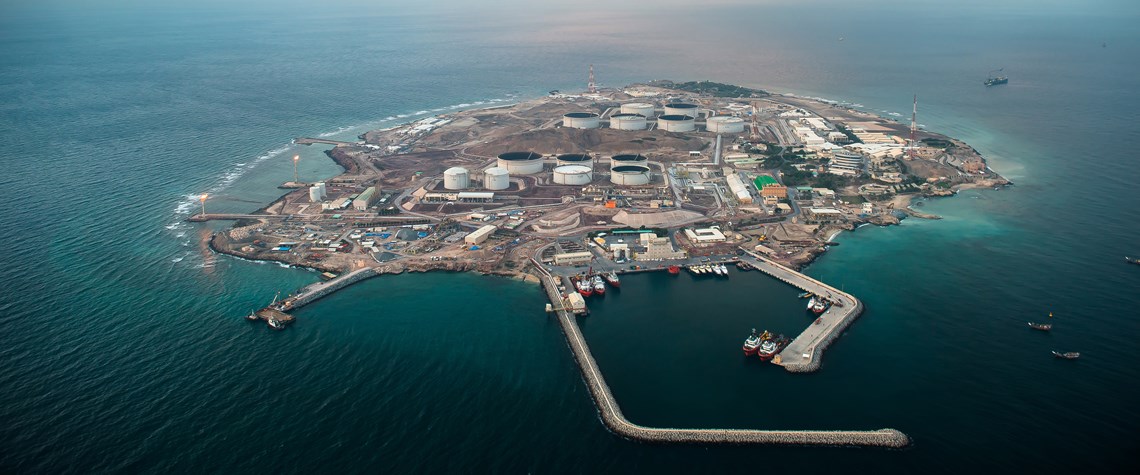
Gulf gas: clouds of confusion
Individual GCC states have settled on convoluted ways of distributing natural gas due to a lack of cooperation
The states bordering the Gulf are caught in a cat's cradle of geopolitical complexity. This is as much the case within the Gulf Cooperation Council (GCC) as it is between certain GCC states and Iran. The muddle is clearly illustrated by the minimal progress among the region's governments towards coordinating the development of natural gas resources and gas distribution. At the launch of The Future of Gas in the Gulf in London at the end of June, editor Jonathan Stern said political relations are a problem: "They have worsened in the 2010s, and this accounts for increased interest in LNG imports rather than the expansion of regional pipeline cooperation." At the same time, according to Ster

Also in this section
24 March 2026
It is an unusual story of out with the new and in with the old, as America First Refining shows the US going back to trusted energy security developments
23 March 2026
A complex and sometimes contradictory web of factors that include unpredictable oil prices, the globalisation of LNG markets, the expansion of Middle Eastern sovereign capital and the growth of datacentre demand will shape the energy landscape beyond 2026
23 March 2026
The Strait of Hormuz crisis highlights how key waterways can become global chokepoints
20 March 2026
Attacks on key oil and LNG assets across the Gulf mean a prolonged supply disruption, with damage to Qatar’s export capacity undermining confidence in the global gas system


