


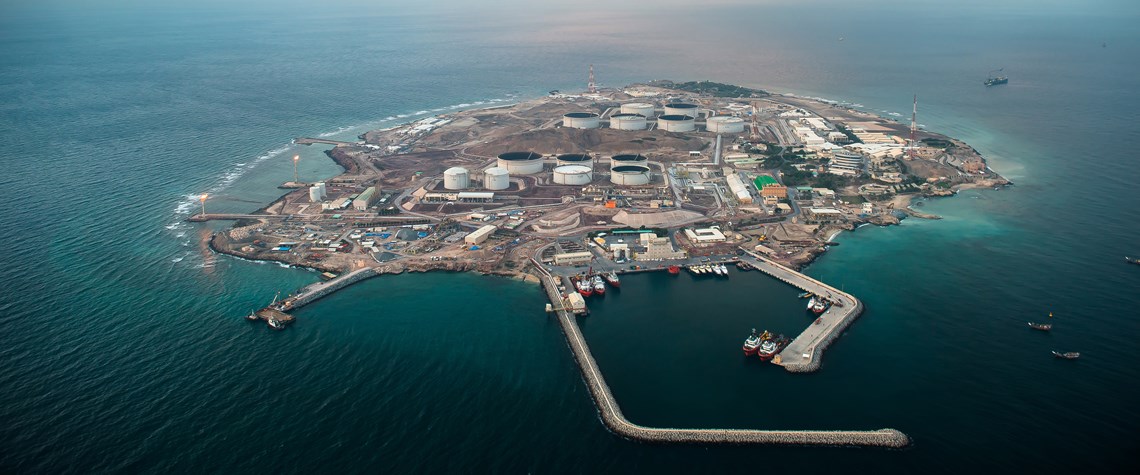
Gulf gas: clouds of confusion
Individual GCC states have settled on convoluted ways of distributing natural gas due to a lack of cooperation
The states bordering the Gulf are caught in a cat's cradle of geopolitical complexity. This is as much the case within the Gulf Cooperation Council (GCC) as it is between certain GCC states and Iran. The muddle is clearly illustrated by the minimal progress among the region's governments towards coordinating the development of natural gas resources and gas distribution. At the launch of The Future of Gas in the Gulf in London at the end of June, editor Jonathan Stern said political relations are a problem: "They have worsened in the 2010s, and this accounts for increased interest in LNG imports rather than the expansion of regional pipeline cooperation." At the same time, according to Ster

Also in this section
14 April 2026
The GECF has warned it may revise its projections for demand this year downwards in light of conflict in the Middle East, although it maintains its forecasts for 2027 and onwards
13 April 2026
Petroleum Economist analysis highlights sharp shift from crude oversupply to market deficit, with Iraq and Kuwait badly affected and key producers Saudi Arabia and the UAE also seeing output sharply lower
13 April 2026
Turkmenistan is moving ahead with a modest expansion of the giant Galkynysh field to sustain gas deliveries abroad, but persistent delays to other key pipeline projects and geopolitical risks continue to constrain its export ambitions
13 April 2026
Expensive electricity has forced out swathes of energy-intensive industry and now threatens the country’s ability to attract future investment in datacentres and the digital economy


