


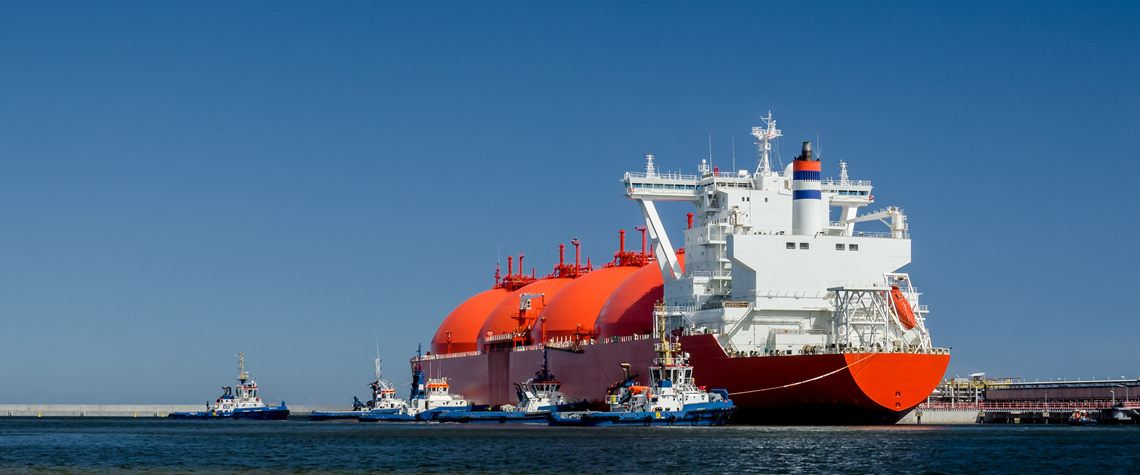
‘America Third’ to turn down LNG supply
US liquefaction plants are typically cited as the first to turn down if the global LNG markets cannot absorb supply
Global LNG markets will struggle more in 2020 than in 2019 to absorb the scheduled increases in liquefaction. Asian import growth is slowing because of insufficient infrastructure to unlock new demand and macroeconomic headwinds checking industrial consumption. This inability of Asian markets to absorb the final stages of the current global LNG export expansion—85mn t/yr in 2016-20—will push more supply towards other markets. We see the Latin America and the Middle East markets further reducing their takes next year, leaving some 16mn t more LNG year-on-year headed towards European terminals. But Europe already used all of its balancing tricks in 2019—coal-to-gas fuel switching in the power

Also in this section
2 April 2026
Alongside a rapid continued build-out of renewables, China’s latest five-year plan stresses the value of domestic hydrocarbon production for energy security and calls for increased Russian gas imports
2 April 2026
The government is taking important steps to revive domestic production, lift investment and benefit from the geopolitical crisis even if more needs to be done in the longer term
1 April 2026
Golden Pass’s startup offers QatarEnergy a timely boost but may also force a difficult choice between honouring disrupted contracts and capitalising on soaring spot LNG prices
1 April 2026
It is not a case of if or when, but the length and magnitude of economic damage from elevated oil prices


