


Russia’s gas plans still mired in politics
The Kremlin will be focused on pipeline negotiations with the EU and the sanctions threats from Washington
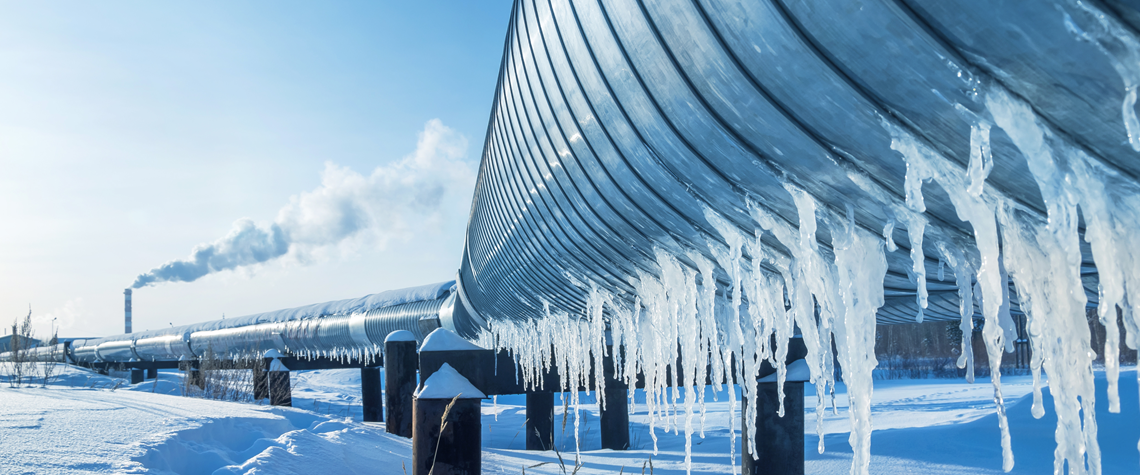
The critical issues facing Russian gas exports in 2019 revolved around its pipelines to Europe and the renegotiation of a transit contract through Ukraine, which was agreed at the end of December. Rules determining use of the Opal (Ostsee-Pipeline-Anbindungsleitung) pipeline, the status of Turk Stream and the approval of Nord Stream 2 were also important. All these issues will continue to grind on into 2020. Ukraine transit negotiations were resolved at the end of December, ensuring the transit of Russian gas through pipelines on Ukrainian territory for the next five years. Attempts to diversify away from Europe via LNG and pipelines to the east are also underway, while Gazprom’s pricing str

Also in this section
2 April 2026
Alongside a rapid continued build-out of renewables, China’s latest five-year plan stresses the value of domestic hydrocarbon production for energy security and calls for increased Russian gas imports
2 April 2026
The government is taking important steps to revive domestic production, lift investment and benefit from the geopolitical crisis even if more needs to be done in the longer term
1 April 2026
Golden Pass’s startup offers QatarEnergy a timely boost but may also force a difficult choice between honouring disrupted contracts and capitalising on soaring spot LNG prices
1 April 2026
It is not a case of if or when, but the length and magnitude of economic damage from elevated oil prices


