


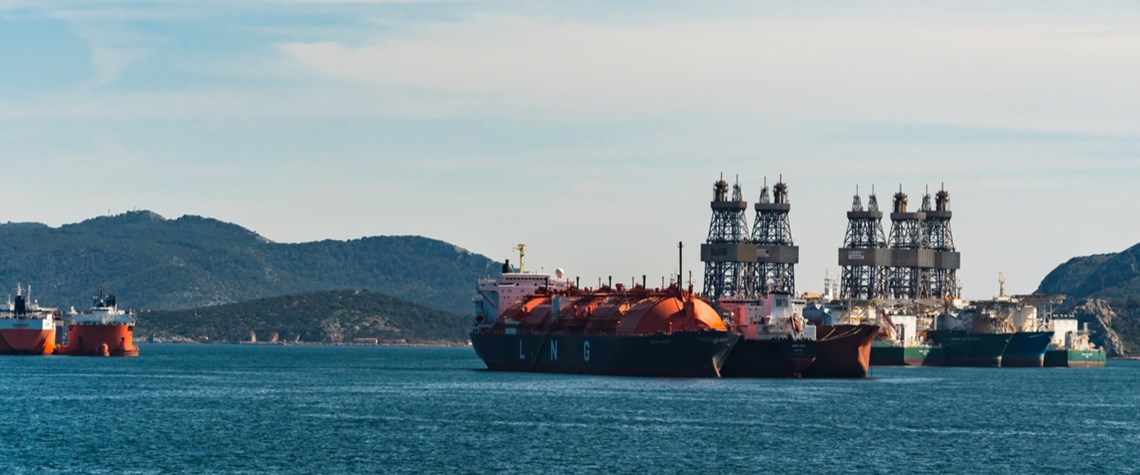
Southeast Europe bets on gas
Greece and Bulgaria plan dashes for gas to fuel cleaner energy futures
Gas is set to play a larger role in the energy mixes of southeast European neighbours Greece and Bulgaria as both countries invest in infrastructure to diversify their supply routes. The former is traditionally very dependent on coal for power generation—fuelling 34pc of output in 2018. But Greece’s 10-year national energy and climate plan (NECP) submitted to the European Commission by the country’s centre-right, pro-business Mitsotakis administration, which assumed power in July 2019, sees gas playing a bigger role in backing up the country’s renewables expansion. A target of c.4GW of coal-fired power capacity coming offline by 2023 would represent all of the country’s lignite plants curren

Also in this section
9 April 2026
The April 2026 issue of Petroleum Economist is out now!
2 April 2026
Alongside a rapid continued build-out of renewables, China’s latest five-year plan stresses the value of domestic hydrocarbon production for energy security and calls for increased Russian gas imports
2 April 2026
The government is taking important steps to revive domestic production, lift investment and benefit from the geopolitical crisis even if more needs to be done in the longer term
1 April 2026
Golden Pass’s startup offers QatarEnergy a timely boost but may also force a difficult choice between honouring disrupted contracts and capitalising on soaring spot LNG prices


