


Newsletters | Request Trial | Log in | Advertise | Digital Issue   |   Search
  • Upstream
  • Midstream & Downstream
  • Gas & LNG
  • Trading & Markets
  • Corporate & Finance
  • Geopolitics
  • Podcasts
Search
Related Articles
Qatar orders first quarter of Chinese LNG tankers
The world’s largest LNG exporter has taken the first step in its vast fleet expansion
Liquids give Qatar LNG negative breakeven – Rystad
Existing Ras Laffan trains could cover costs even if LNG prices went to zero
Greening the LNG supply chain
The deal between Pavilion and Qatar Petroleum Trading illustrates how creating offset-ready arrangements will impact trading relationships and legal risk allocation
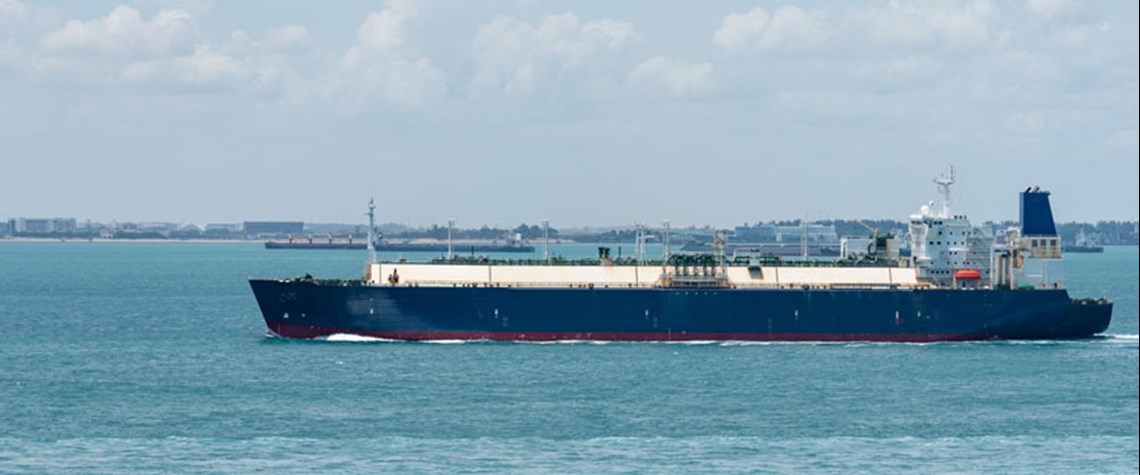
An LNG tanker arriving in Singapore
Qatar QatarEnergy LNG
Peter Ramsay
Editor-in-chief
24 June 2021
Follow @PetroleumEcon
Forward article link
Share PDF with colleagues

Liquids give Qatar LNG negative breakeven – Rystad

Existing Ras Laffan trains could cover costs even if LNG prices went to zero

State-owned Mid-East Gulf gas behemoth Qatar Petroleum’s Qatargas 1 Train 1 has an estimated variable cost of LNG production of just $1.60/mn Btu, according to analysis by consultancy Rystad Energy. But, if pre-tax liquids revenue from associated liquids production is considered, it calculates these costs are offset by oil revenues of c.$2.60/mn Btu. And that brings net costs down to -$1/mn Btu. Qatari production is therefore in the money even if LNG prices moved to zero or even into slightly negative territory. In an increasingly flexible global market, such a scenario is unlikely. But the UK NBP gas market, for example, has briefly experienced negative pricing previously, when North Sea as

Also in this section
Explainer: Iran’s indispensable energy role
16 January 2026
The country’s global energy importance and domestic political fate are interlocked, highlighting its outsized oil and gas powers, and the heightened fallout risk
Oil’s tanker transformation
16 January 2026
The global maritime oil transport sector enters 2026 facing a rare convergence of crude oversupply, record newbuild deliveries and the potential easing of several geopolitical disruptions that have shaped trade flows since 2022
Letter from the US: The curse of strong energy exports
Opinion
15 January 2026
Rebuilding industry, energy dominance and lower energy costs are key goals that remain at odds in 2026
Venezuela mismanaged its oil, and US shale benefitted
14 January 2026
Chavez’s socialist reforms boosted state control but pushed knowledge and capital out of the sector, opening the way for the US shale revolution

Share PDF with colleagues

COPYRIGHT NOTICE: PDF sharing is permitted internally for Petroleum Economist Gold Members only. Usage of this PDF is restricted by <%= If(IsLoggedIn, User.CompanyName, "")%>’s agreement with Petroleum Economist – exceeding the terms of your licence by forwarding outside of the company or placing on any external network is considered a breach of copyright. Such instances are punishable by fines of up to US$1,500 per infringement
Send

Forward article Link

Send
Sign Up For Our Newsletter
Project Data
Maps
Podcasts
Social Links
Featured Video
Home
  • About us
  • Subscribe
  • Reaching your audience
  • PE Store
  • Terms and conditions
  • Contact us
  • Privacy statement
  • Cookies
  • Sitemap
All material subject to strictly enforced copyright laws © 2025 The Petroleum Economist Ltd
Cookie Settings
;

Search
