


Oman runs hard to stand still
The sultanate’s long-term oil ambitions are modest, but the urgent appetite for fresh gas supply remains
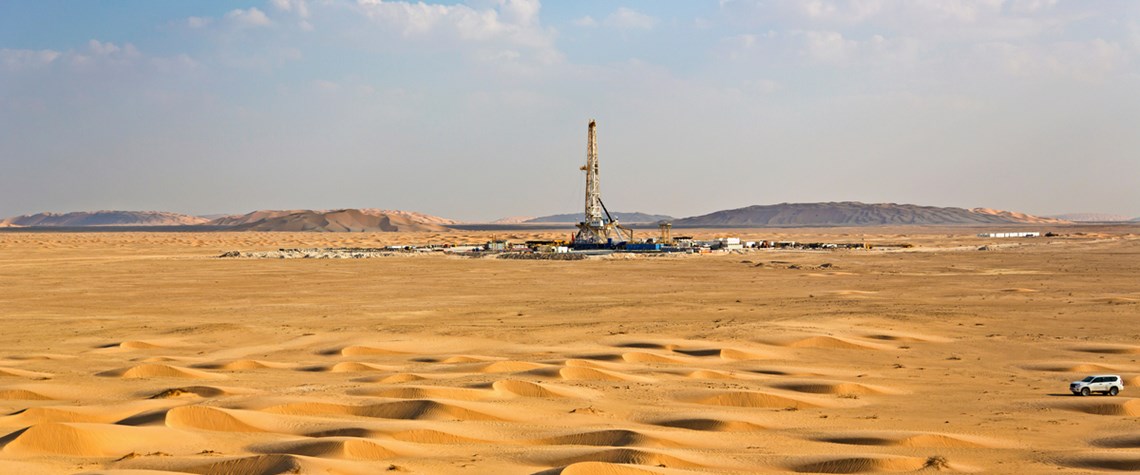
Oman’s oil sector ambitions, set out in the government’s latest five-year development plan unveiled at the turn of the year, appear modest at first glance. Production is forecast to rise next year by a relatively unspectacular 10pc, to 1.1mn bl/d, and stay there until mid-decade. But this-near stasis is, in fact, hard-won—a mark of success in the constant battle to staunch and offset declines at the country’s maturing main fields. Meanwhile, the pacey industrial growth that forms a key plank of the country’s economic roadmap requires continued development of domestic gas resources to ease a precarious supply/demand balance. Economics challenge While modest oil output increments are targeted,

Also in this section
14 April 2026
The GECF has warned it may revise its projections for demand this year downwards in light of conflict in the Middle East, although it maintains its forecasts for 2027 and onwards
13 April 2026
Petroleum Economist analysis highlights sharp shift from crude oversupply to market deficit, with Iraq and Kuwait badly affected and key producers Saudi Arabia and the UAE also seeing output sharply lower
13 April 2026
Turkmenistan is moving ahead with a modest expansion of the giant Galkynysh field to sustain gas deliveries abroad, but persistent delays to other key pipeline projects and geopolitical risks continue to constrain its export ambitions
13 April 2026
Expensive electricity has forced out swathes of energy-intensive industry and now threatens the country’s ability to attract future investment in datacentres and the digital economy


