


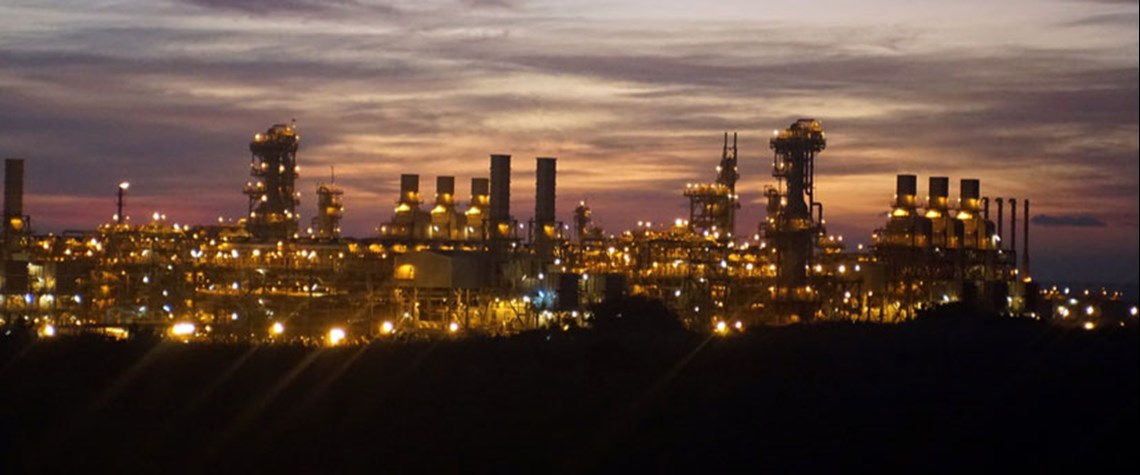
The Pasca A and P’Nyang developments are now in doubt
Papua New Guinea risks LNG ambitions
The county’s negotiating tactics are damaging its reputation among developers
Papua New Guinea’s clumsy attempts to secure greater returns from LNG projects continue to discourage investors, particularly as the country was already seen as challenging given its difficult terrain, limited infrastructure, frequent civil unrest, high level of corruption and potential for earthquakes. At least one major development—the Total-operated 5.33mn t/yr Papua LNG scheme—remains on track in the resource-rich island nation, while a smaller scheme—Pasca A—has become the latest project thrown into doubt by government negotiation tactics. The Papua LNG partners—comprising France’s Total (40.1pc), ExxonMobil-subsidiary InterOil (36.5pc) and ASX-listed Oil Search (22.8pc)—signed a fis

Also in this section
2 April 2026
Alongside a rapid continued build-out of renewables, China’s latest five-year plan stresses the value of domestic hydrocarbon production for energy security and calls for increased Russian gas imports
2 April 2026
The government is taking important steps to revive domestic production, lift investment and benefit from the geopolitical crisis even if more needs to be done in the longer term
1 April 2026
Golden Pass’s startup offers QatarEnergy a timely boost but may also force a difficult choice between honouring disrupted contracts and capitalising on soaring spot LNG prices
1 April 2026
It is not a case of if or when, but the length and magnitude of economic damage from elevated oil prices


