


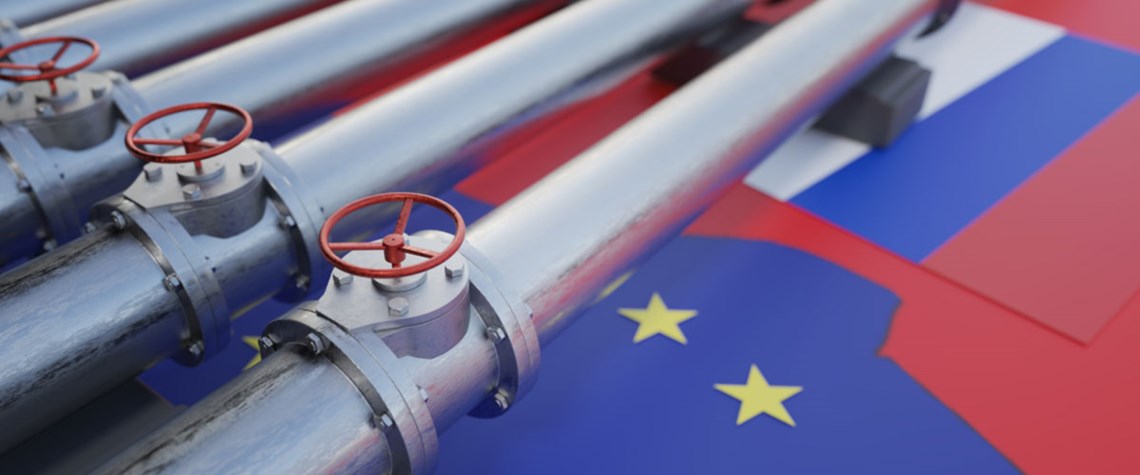
The EU has committed to reducing its dependence on Russian gas
Europe’s Russian gas reduction ambitions pose market threat
The desire to stop the flow of gas sales revenue to the murderous Putin regime is laudable. But it is not without significant challenges or risks
The European Commission aims to achieve two-thirds of a targeted 155bn m³/yr cut in its gas consumption by the end of 2022—with increased flexibility to reduce imports from Russia the major, albeit likely not sole, consequence of the goal. But it also intends to present in April a legislative proposal requiring EU gas storage to be filled up to at least 90pc of capacity by 1 October each year. Achieving these somewhat divergent aims over the next six months will be tricky. And they come with a warning that there could be unintended consequences for pricing and the efficient functioning of the continent’s traded gas markets. “It really is a big ask,” Jeremy Weir, CEO of commodity trading firm

Also in this section
16 April 2026
Demand for oil is falling because supply cannot meet it, not because it is no longer required
16 April 2026
The continent has an immediate opportunity to make the most of its energy resources by capturing gas that is currently slipping away
15 April 2026
The continent is seeing political pushback to climate plans, corporate reassessment of transition goals and rising supply risk in a fractured global order
15 April 2026
The Middle East energy crisis may turn out to be pivotal to the industry’s long-term expansion, but significant challenges still stand in its way


