


Recent heatwaves have eroded Japanese LNG stocks
Japan and South Korea promise little immediate LNG market relief
East Asia’s power sector use may be poised to shrink from 2023, but demand for the fuel is expected to remain strong this year
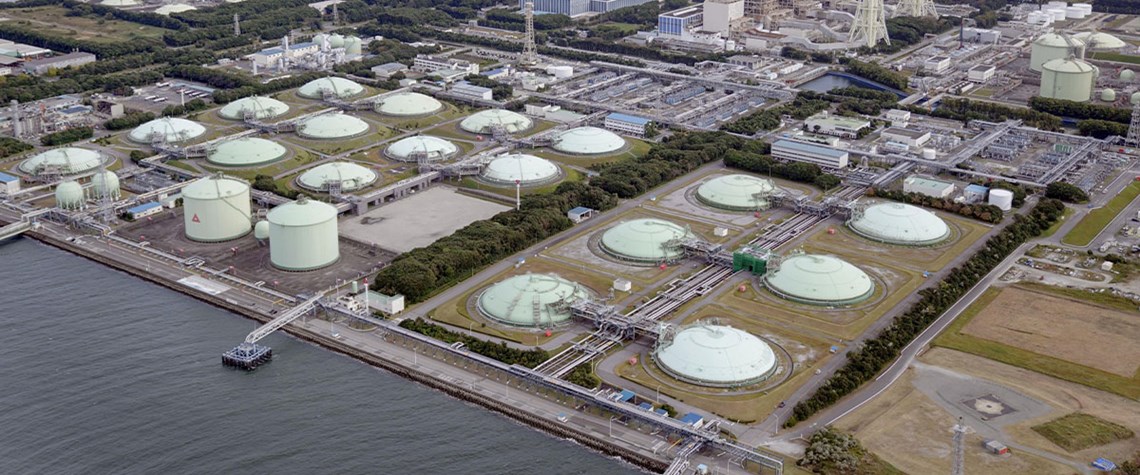
LNG demand in Japan and South Korea—respectively the world’s largest and third-largest importers—will remain robust for the rest of 2022, offering little short-term respite to a global LNG market constricted by current and potentially future reductions in Russian output and other supply niggles. But imports could begin to slide next year, as greater nuclear availability and coal combustion combine to reduce gas’ role in the power mix. Unseasonably hot weather in the two countries this summer has supported peak power demand—including from gas-fired power generation—as households and offices crank up their air conditioning. Japanese LNG imports reached 37.54mn t in the first half of 2022, admi

Also in this section
2 April 2026
Alongside a rapid continued build-out of renewables, China’s latest five-year plan stresses the value of domestic hydrocarbon production for energy security and calls for increased Russian gas imports
2 April 2026
The government is taking important steps to revive domestic production, lift investment and benefit from the geopolitical crisis even if more needs to be done in the longer term
1 April 2026
Golden Pass’s startup offers QatarEnergy a timely boost but may also force a difficult choice between honouring disrupted contracts and capitalising on soaring spot LNG prices
1 April 2026
It is not a case of if or when, but the length and magnitude of economic damage from elevated oil prices


