


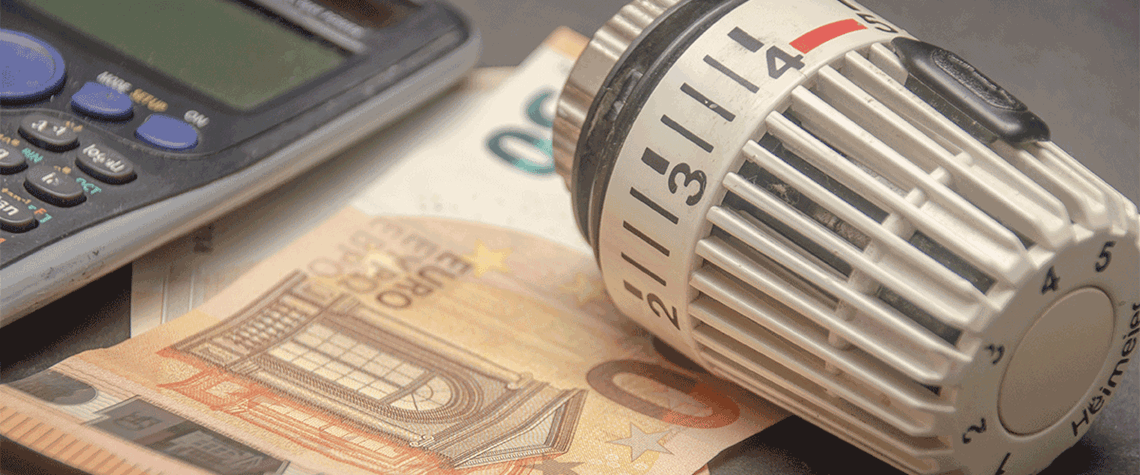
National subsidy schemes varied considerably in scope and duration
Europe counts cost of uncoordinated energy strategy
Calls for EU to reflect on gas subsidy bill of €700bn as common purchase mechanism approaches
Europe is entering spring collectively celebrating having averted the major gas crisis that had been predicted over the winter and preparing to launch a common gas purchasing platform expected to further reduce its dependence on Russia. Yet its energy policies—particularly the steep bill for gas subsidies disbursed over the past year—are also coming under scrutiny, with experts saying better coordination between national bodies is necessary as well as more policies to help Europeans face the transition to renewable energy. “Over the past months, EU member states have been involved in a race to subsidise. Gas supply was limited, and hence the main effect of [the subsidies was to drive competi

Also in this section
9 April 2026
The April 2026 issue of Petroleum Economist is out now!
9 April 2026
Offshore operators are working through an FID backlog as the rig market consolidates, helped by improving project economics and a renewed security drive
2 April 2026
Alongside a rapid continued build-out of renewables, China’s latest five-year plan stresses the value of domestic hydrocarbon production for energy security and calls for increased Russian gas imports
2 April 2026
The government is taking important steps to revive domestic production, lift investment and benefit from the geopolitical crisis even if more needs to be done in the longer term


