


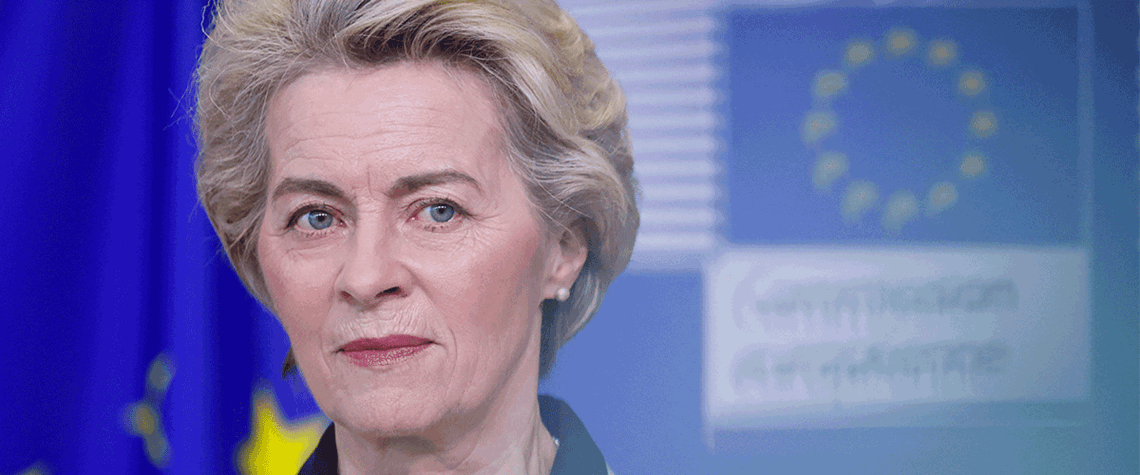
European Commission president Ursula von der Leyen
Europe’s confidence on gas may be premature
The region has made significant progress on reducing exposure to Russian gas, but despite rosy assessments by politicians, challenges remain
An unusually warm winter has helped Europe reduce its gas consumption significantly while aggressive spending has allowed most of the continent to improve its LNG regasification and pipeline infrastructure. However, major uncertainties loom over planned supply increases and demand reductions alike, and it is much too early to claim Europe has weaned itself off its heavy dependence on Russian energy. “Today, one year after the war began, [Russian president Vladimir Putin] has already lost the energy war he started,” announced Ursula von der Leyen, the president of the European Commission, in mid-February. “With European unity and a smart energy policy, we have withstood Russian pressure and f

Also in this section
14 April 2026
The GECF has warned it may revise its projections for demand this year downwards in light of conflict in the Middle East, although it maintains its forecasts for 2027 and onwards
13 April 2026
Petroleum Economist analysis highlights sharp shift from crude oversupply to market deficit, with Iraq and Kuwait badly affected and key producers Saudi Arabia and the UAE also seeing output sharply lower
13 April 2026
Turkmenistan is moving ahead with a modest expansion of the giant Galkynysh field to sustain gas deliveries abroad, but persistent delays to other key pipeline projects and geopolitical risks continue to constrain its export ambitions
13 April 2026
Expensive electricity has forced out swathes of energy-intensive industry and now threatens the country’s ability to attract future investment in datacentres and the digital economy


