


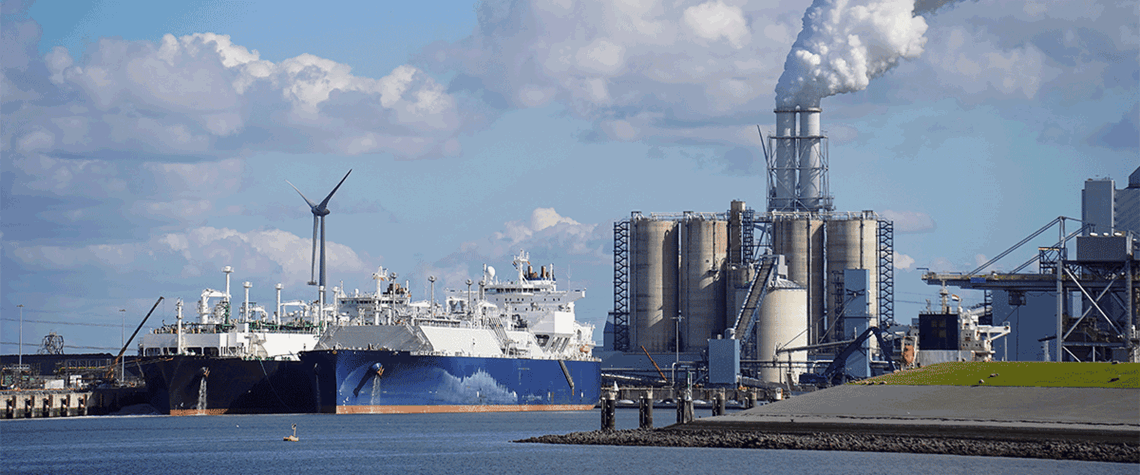
The new floating LNG terminal in Eemshaven, Netherlands
Europe’s LNG strategy is better late than never
Infrastructure buildout will give EU better options in 2023 and even more in 2024
The Russia crisis was a wake-up call for Europe’s energy strategy as it rushed to change its complacent and inward-looking approach to gas security. Some have criticised its push for gas diversification as an expensive insurance policy or its LNG infrastructure plans as too little, too late. But the key take-away is that you can never have enough energy options. Europe was shaken out of its pipeline comfort zone by the need to wean itself off Russian supplies and move to become a global LNG player. The EU scrambled to replace close to 80bn m³ of Russian piped deliveries in 2022 as LNG went from being the marginal molecule to accounting for almost two-thirds of Europe’s gas imports. As such,

Also in this section
14 April 2026
The GECF has warned it may revise its projections for demand this year downwards in light of conflict in the Middle East, although it maintains its forecasts for 2027 and onwards
13 April 2026
Petroleum Economist analysis highlights sharp shift from crude oversupply to market deficit, with Iraq and Kuwait badly affected and key producers Saudi Arabia and the UAE also seeing output sharply lower
13 April 2026
Turkmenistan is moving ahead with a modest expansion of the giant Galkynysh field to sustain gas deliveries abroad, but persistent delays to other key pipeline projects and geopolitical risks continue to constrain its export ambitions
13 April 2026
Expensive electricity has forced out swathes of energy-intensive industry and now threatens the country’s ability to attract future investment in datacentres and the digital economy


