


Outlook 2024: The evolution of gas infrastructure
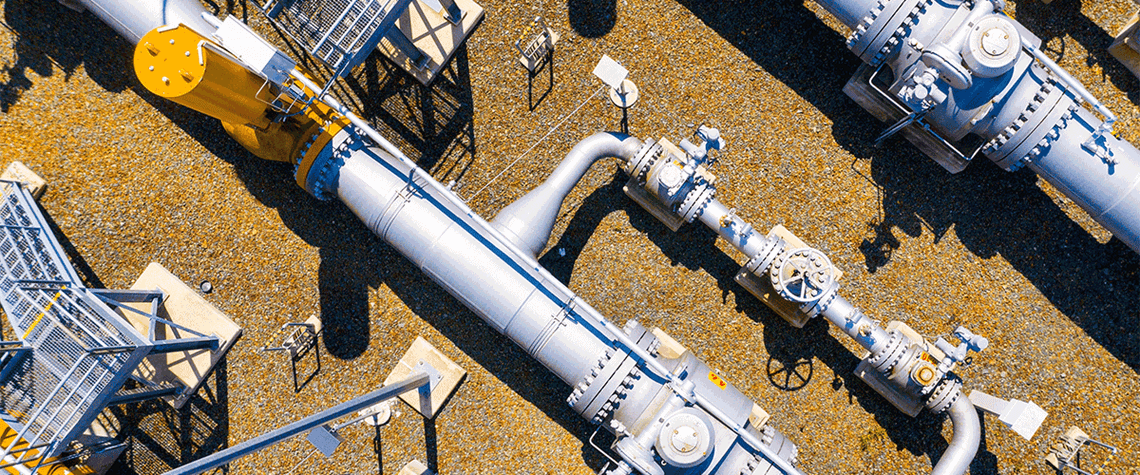
In the ever-changing landscape of global energy, the European gas infrastructure is undergoing a remarkable transformation, poised to play a pivotal role in shaping Europe’s energy future
Recent global events have underscored how geopolitical challenges can disrupt gas supply chains, reinforcing Europe’s need to enhance its energy independence. The keys to overcoming such crises are diversification and adaptability. EU member states have taken strategic steps to diversify their gas supply sources and routes. Recognising the critical role of gas infrastructure operators in preserving energy security during challenging times, the European Commission initiated REPowerEU. This initiative aimed to meet storage filling targets and streamline permitting processes for LNG terminals and FSRUs, enabling rapid responses to evolving energy supply needs. This includes expanding import cap

Also in this section
14 April 2026
The GECF has warned it may revise its projections for demand this year downwards in light of conflict in the Middle East, although it maintains its forecasts for 2027 and onwards
13 April 2026
Petroleum Economist analysis highlights sharp shift from crude oversupply to market deficit, with Iraq and Kuwait badly affected and key producers Saudi Arabia and the UAE also seeing output sharply lower
13 April 2026
Turkmenistan is moving ahead with a modest expansion of the giant Galkynysh field to sustain gas deliveries abroad, but persistent delays to other key pipeline projects and geopolitical risks continue to constrain its export ambitions
13 April 2026
Expensive electricity has forced out swathes of energy-intensive industry and now threatens the country’s ability to attract future investment in datacentres and the digital economy


