


Newsletters | Request Trial | Log in | Advertise | Digital Issue   |   Search
  • Upstream
  • Midstream & Downstream
  • Gas & LNG
  • Trading & Markets
  • Corporate & Finance
  • Geopolitics
  • Podcasts
Search
Related Articles
Explainer: Iran’s indispensable energy role
The country’s global energy importance and domestic political fate are interlocked, highlighting its outsized oil and gas powers, and the heightened fallout risk
Oil’s tanker transformation
The global maritime oil transport sector enters 2026 facing a rare convergence of crude oversupply, record newbuild deliveries and the potential easing of several geopolitical disruptions that have shaped trade flows since 2022
Outlook 2026: From wells to wafers – How MENA is powering the new energy–data nexus
Leading economies in the region are using oil and gas revenues to fund mineral strategies and power hyperscale computing
Europe’s rising energy security challenge
Across Europe, countries have grappled with balancing ambitious energy transition plans with realities about security of supply
Kurdistan starts to deliver on oil promise
Gulf Keystone looks to a ‘transformational’ 2026, with the oil producer upbeat for the region should all the vested interests keep their eyes on the prize
Venezuela’s true oil potential
The Latin American producer’s crude prospects rely on a multi-pronged approach where even the relatively easy wins will take considerable time, effort and cost
Outlook 2006: The North Sea’s next chapter – From backbone to blueprint
The next five years will be critical for the North Sea, and it will be policy not geology that will decide the basin’s future
Outlook 2026: How critical mineral partnerships are shaping ASEAN’s energy transition
The global race for critical minerals has become a defining feature of energy geopolitics, presenting the ASEAN region with both opportunity and risk
Mideast gas sector needs $200b of investment
Cash will be needed to boost production by 30% to meet region’s rapidly rising power demand, executives told the inaugural Middle East Gas Conference in December
Outlook 2026: Taking action on flaring and methane emissions
Less than two years after its launch, the World Bank’s Global Flaring and Methane Reduction Partnership is supporting abatement in 17 countries, but with flaring at a near-two-decade peak and methane emissions stubbornly high, there is work to do
Russia Iran Gas Politics Midstream
Ronald P. Smith
5 June 2025
Follow @PetroleumEcon
Forward article link
Share PDF with colleagues

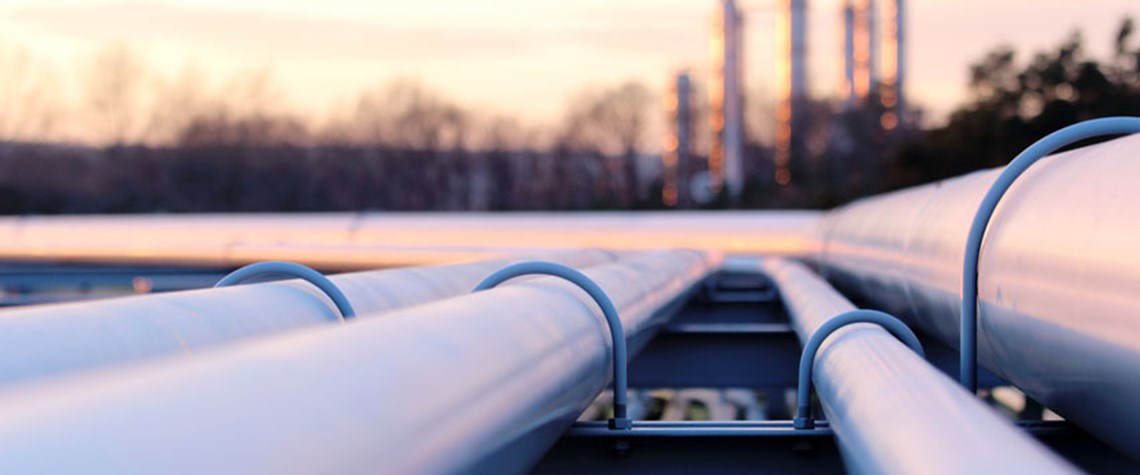
Is a Russia-Iran gas deal on the horizon?

Russia has ample spare gas, and Iran needs it, but sanctions and pricing pose steep hurdles.

Russia’s gas export industry is in something of a crisis. Since the Russia-Ukraine conflict began, Gazprom—Russia’s state-owned gas champion and its monopoly exporter of pipeline gas—has seen its once-lucrative exports to Europe and Turkey plummet by more than 70% in volume terms and by half in revenue, from $50b annually to around $25b.  In 2019, Russia was the world’s largest gas exporter, shipping over 100bcm more than Qatar or the US. Today, it trails behind both. The country has at least 120bcm/yr of idle production capacity—more than Norway’s total output—and vast untapped reserves in West Siberia and the Yamal and Gydan peninsulas, plus the technical know-how to build and maintain its

Also in this section
Explainer: Iran’s indispensable energy role
16 January 2026
The country’s global energy importance and domestic political fate are interlocked, highlighting its outsized oil and gas powers, and the heightened fallout risk
Oil’s tanker transformation
16 January 2026
The global maritime oil transport sector enters 2026 facing a rare convergence of crude oversupply, record newbuild deliveries and the potential easing of several geopolitical disruptions that have shaped trade flows since 2022
Letter from the US: The curse of strong energy exports
Opinion
15 January 2026
Rebuilding industry, energy dominance and lower energy costs are key goals that remain at odds in 2026
Venezuela mismanaged its oil, and US shale benefitted
14 January 2026
Chavez’s socialist reforms boosted state control but pushed knowledge and capital out of the sector, opening the way for the US shale revolution

Share PDF with colleagues

COPYRIGHT NOTICE: PDF sharing is permitted internally for Petroleum Economist Gold Members only. Usage of this PDF is restricted by <%= If(IsLoggedIn, User.CompanyName, "")%>’s agreement with Petroleum Economist – exceeding the terms of your licence by forwarding outside of the company or placing on any external network is considered a breach of copyright. Such instances are punishable by fines of up to US$1,500 per infringement
Send

Forward article Link

Send
Sign Up For Our Newsletter
Project Data
Maps
Podcasts
Social Links
Featured Video
Home
  • About us
  • Subscribe
  • Reaching your audience
  • PE Store
  • Terms and conditions
  • Contact us
  • Privacy statement
  • Cookies
  • Sitemap
All material subject to strictly enforced copyright laws © 2025 The Petroleum Economist Ltd
Cookie Settings
;

Search
