


Algerian change—again
A lack of leadership continuity in Algeria's energy sector is a product of the FLN's struggle to retain political power
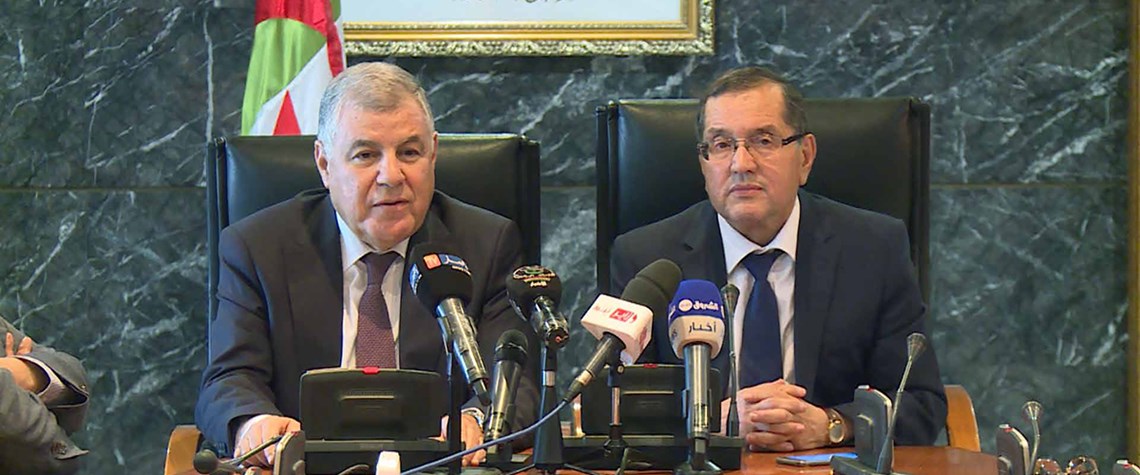
Algerian energy minister Noureddine Boutarfa learned he'd been sacked the day that was supposed to represent his crowning achievement, with Opec's signing in Vienna on 25 May of an extension on its production cuts agreement. Nine months in the making, Opec's first such accord in eight years was completed after much shuttle diplomacy by Boutarfa. He'd initiated the process himself, winning an outline agreement on the principle of the cuts policy at an Opec meeting he hosted in Algiers last September. Then, the local papers were full of praise for their champion. Months of criss-crossing the globe followed as Boutarfa met with oil producers inside and, crucially, outside Opec, balancing each p

Also in this section
14 April 2026
The GECF has warned it may revise its projections for demand this year downwards in light of conflict in the Middle East, although it maintains its forecasts for 2027 and onwards
13 April 2026
Petroleum Economist analysis highlights sharp shift from crude oversupply to market deficit, with Iraq and Kuwait badly affected and key producers Saudi Arabia and the UAE also seeing output sharply lower
13 April 2026
Turkmenistan is moving ahead with a modest expansion of the giant Galkynysh field to sustain gas deliveries abroad, but persistent delays to other key pipeline projects and geopolitical risks continue to constrain its export ambitions
13 April 2026
Expensive electricity has forced out swathes of energy-intensive industry and now threatens the country’s ability to attract future investment in datacentres and the digital economy


