


Iraq—the end of the beginning
Iraq's army has retaken Kurdish-controlled areas around Kirkuk in the north, while neighbouring states are considering their long-term response to the independence referendum
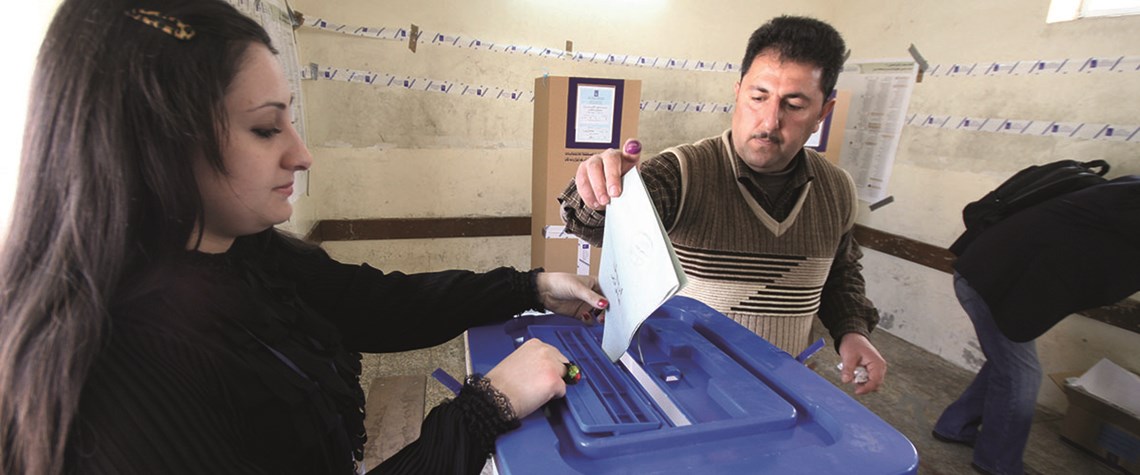
After Iraqi Kurds voted for independence in the referendum of 25 September, the region had found itself in unknown territory, the air crackling with warnings and threats. The hope, against hope, was that negotiations would enable the Baghdad authorities and the Kurdish Regional Government (KRG) to settle their differences peacefully. It wasn't to be. In mid-October, Iraqi army units and Shia militiamen advanced towards the disputed oil city of Kirkuk, taking back control of the state North Oil Company headquarters en route. Clashes with Iraqi Kurdish Peshmerga fighters were reported. Within a few days, Kirkuk and the surrounding area, under Kurdish control since 2014, were back in the hands

Also in this section
15 April 2026
The continent is seeing political pushback to climate plans, corporate reassessment of transition goals and rising supply risk in a fractured global order
15 April 2026
The Middle East energy crisis may turn out to be pivotal to the industry’s long-term expansion, but significant challenges still stand in its way
15 April 2026
The country plays a vital role in connecting Asia to Europe, but the expiration of Russian contracts and the ramifications of the war in Iran are placing it under pressure
14 April 2026
The GECF has warned it may revise its projections for demand this year downwards in light of conflict in the Middle East, although it maintains its forecasts for 2027 and onwards


